
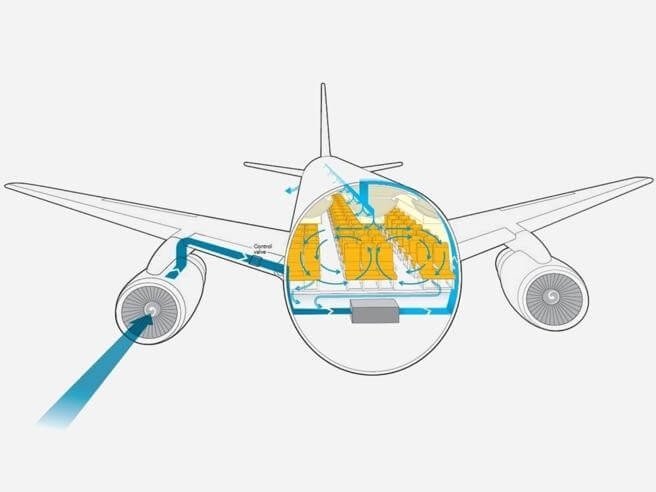
Millions of travelers are understandably concerned about flying in the midst of the COVID-19 outbreak. One of the paramount issues is determining if the air on planes hastens the spread of infection. “Travel increases your chances of getting and spreading COVID-19,” says a page for travelers on the CDC's website. Additionally, the Association of Flight Attendants (AFA) reports hundreds of cabin crew have tested positive for the virus, and at least seven have died.
But apprehensions about aircraft cabin air long predate the current pandemic crisis. Before COVID-19, the AFA was vocal about cabin air, as highlighted on its online Air Quality page, which details multiple concerns about shortages of oxygen and outside air, contaminated air supplies, and high concentrations of pesticides. Here's a breakdown of how cabin air may affect airline passengers during this pandemic.
Cabin Air & Filtration System
Airlines are publicly assuring passengers that aircraft air filtration systems are state-of-the-art. JetBlue even released a video about it. Airlines for America, the domestic industry’s primary lobbying group that represents major carriers like Delta, American, United, and Southwest, states: “Onboard, all A4A carriers have aircraft equipped with HEPA (high-efficiency particulate air) filtration systems and all members comply with or exceed CDC guidance.” However, not all airplanes in U.S. fleets are HEPA-equipped. (Some of American Airlines' regional aircraft, for instance, do not have the filters.)
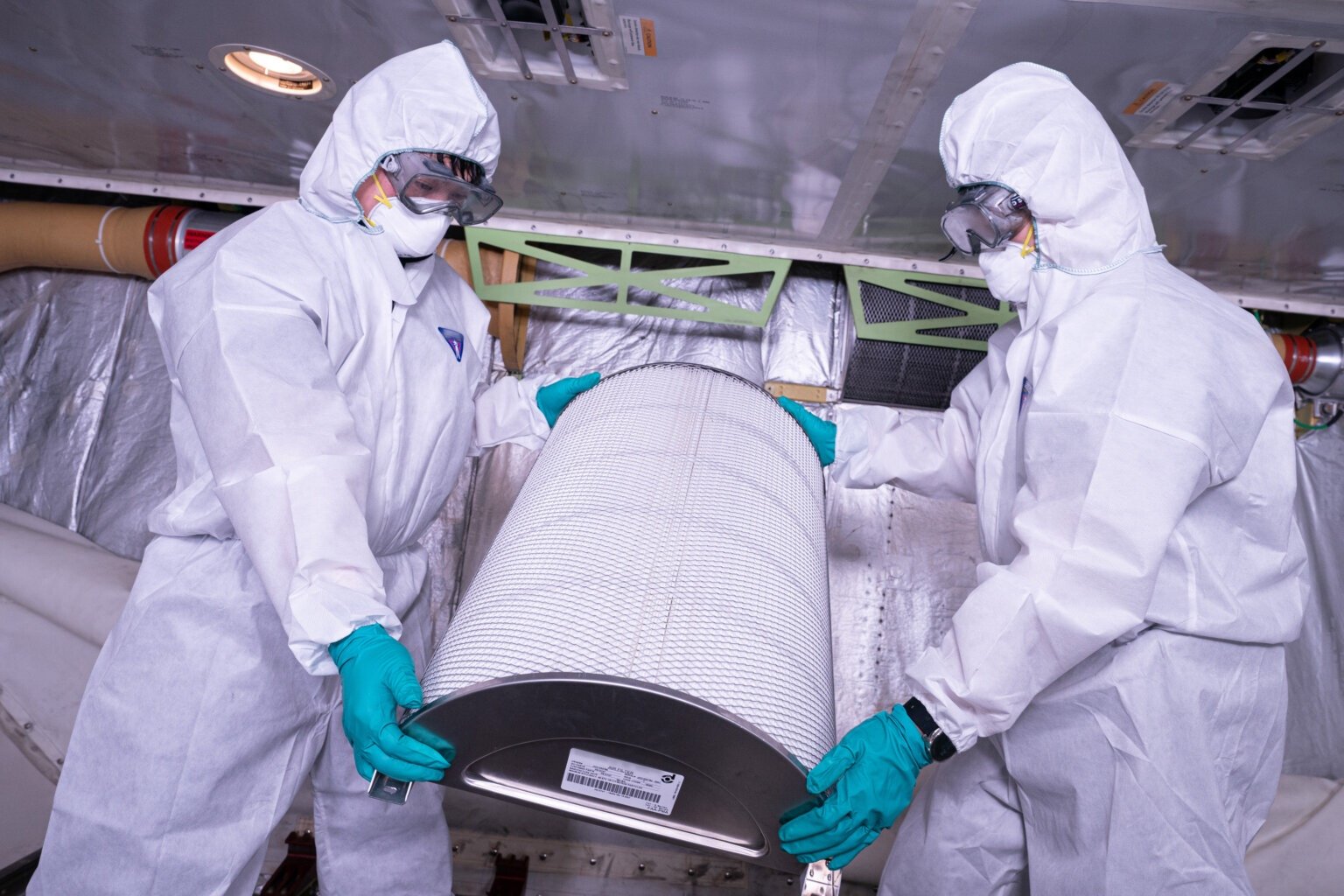
Korean Air performed checks on the state of HEPA filters installed in air circulation systems, and changed the HEPA filters that needed replacement.
credit: airlinergs.com
The good news is that airlines calculate that their HEPA filters remove 99.7 percent of airborne particles (like ones used by United Airlines) to 99.999 percent (such as those in use on Delta Air Lines planes). Most aircraft cabin air is carefully controlled and completely changed 20 to 30 times per hour with recirculation systems that mix fresh air and 50 percent recycled cabin air that pass through HEPA filters on most modern aircraft.
“Most viruses and other germs do not spread easily on flights because of how air circulates and is filtered on airplanes," says the CDC’s Considerations for Travelers page. The International Civil Aviation Organization (ICAO) asserts “the current likelihood of contracting the virus while on flights is extremely low.” However, social distancing is difficult on crowded flights, and you may have to sit near others (within six feet), sometimes for hours. This may increase your risk for exposure.
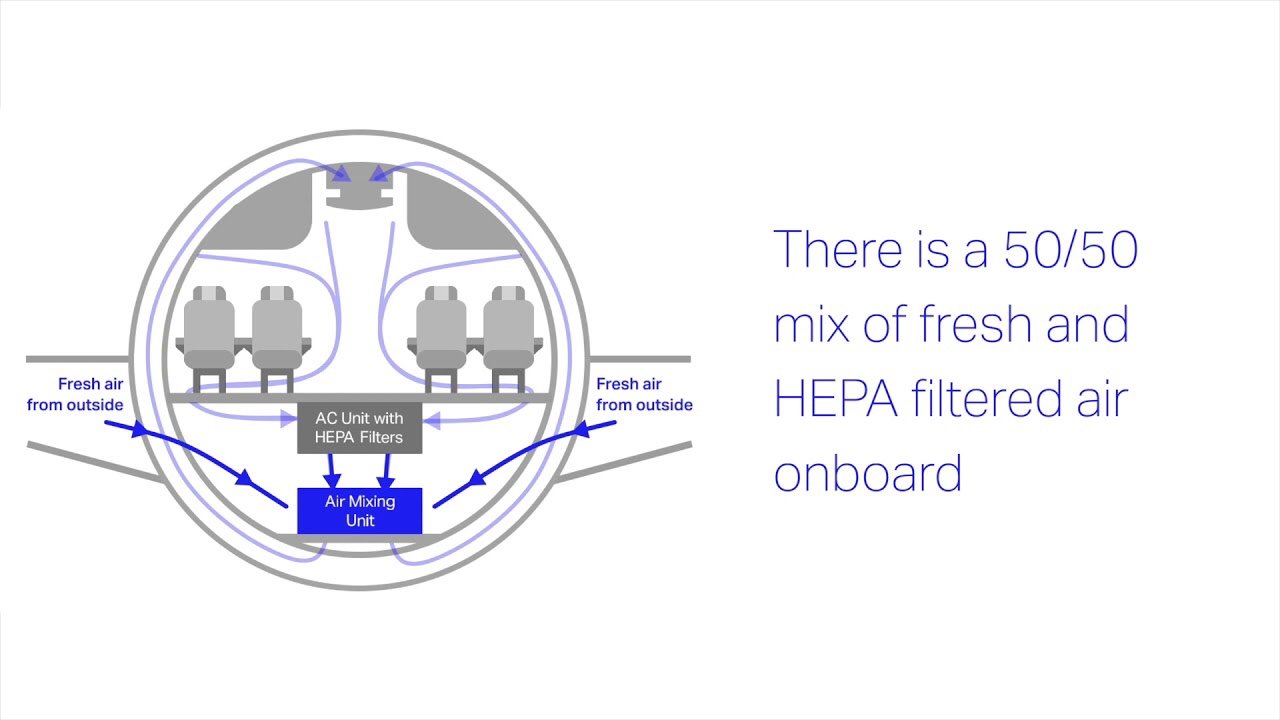
Cabin air flows from the top down, preventing the spread of contaminants
credit: iata.org
The World Health Organization (WHO) makes a similar note. “Transmission of infection may occur between passengers who are seated in the same area of an aircraft, usually as a result of the infected individual coughing or sneezing or by touch,” the organization warns. Cabin crew members agree with this assessment. “It’s naive to think an airline can protect passengers 100 percent because you’re in an enclosed space for however long the flight is,” says one flight attendant.
Close contact between those onboard—while boarding, in the aisles, and near the lavatories—allows exposure to the air people exhale before it reaches the filters. There’s no doubt the systems today are far superior to in the past. But the first step to cabin safety is stopping the person who is COVID-19 positive from getting onboard. Experts say two other components are critical for breathing cleaner air in the skies: proper aircraft cleansing, particularly of surfaces near ventilation systems, and access to personal protective equipment, especially face masks.
Aside from germs and viruses, other factors can affect how safe the air in a plane cabin is.
Fumes & Gases
Germs and viruses are only one aspect that determines air quality. There are other various types of fumes, smoke, haze, and mist that may contaminate the cabin and flight deck air supply system. The outside bleed air coming through the engines may be contaminated with engine oil, hydraulic fluid, engine exhaust, ground service vehicle exhaust, fuel, de-icing fluid, or ozone. Recirculation fans, electrical systems, and other systems are potential sources of contaminated air as well.
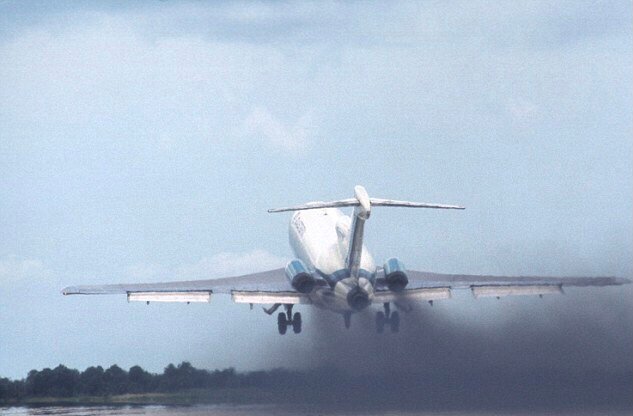
It’s possible that exhaust gases and other noxious fumes can enter the cabin if the engines may have possible contamination within the bleed air system
credit: dailymail.co.uk
Pesticides
The threat of diseases transmitted by insects, such as malaria, Zika, and yellow fever, has made spraying airplane interiors with insecticides common overseas. In some countries including Ecuador, India, Panama, and Trinidad and Tobago, the preferred method is to spray while passengers are onboard to ensure travelers and their clothing are not carriers.
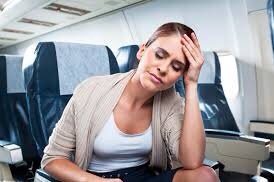
Toxic fumes can make both passengers and flight crew feel unwell
credit: thesun.co.uk
It is worth noting that some have reported feeling unwell after spraying. The CDC says there are “research gaps” and suggests more research and testing is needed. On the other hand, the AFA has called the spraying method a bad idea due to adverse health effects. Last year, the Association received more than 200 reports of flight attendant illnesses—including respiratory problems, sore throats, and headaches—and the union believes these reactions were due to pesticide toxins.
Final Thoughts
As you can see, the air systems onboard modern aircraft work efficiently to greatly reduce the risk of catching COVID-19. However, there’s still a small risk nonetheless, including the fact that other contaminates can make their way into the cabin. This is why safety protocols and proper maintenance schedules need to be followed closely to maintain efficiency, which includes the HEPA filters being changed periodically. All these layers of measures, including wearing face masks and more frequent disinfection, together with the aircraft airflow systems, results in a very low risk of COVID-19 transmission on aircraft.
Sources:
Cover Image: https:www.aircraftinteriorsinternational.com/industry-opinion/cabin-air-considerations-for-covid-19.html?hcb=1
https://www.cntraveler.com/story/how-clean-and-safe-is-a-planes-cabin-air
https://www.iata.org/en/youandiata/travelers/health/cabin-air/
https://airlinergs.com/korean-air-maintains-the-highest-quality-of-cabin-air/