
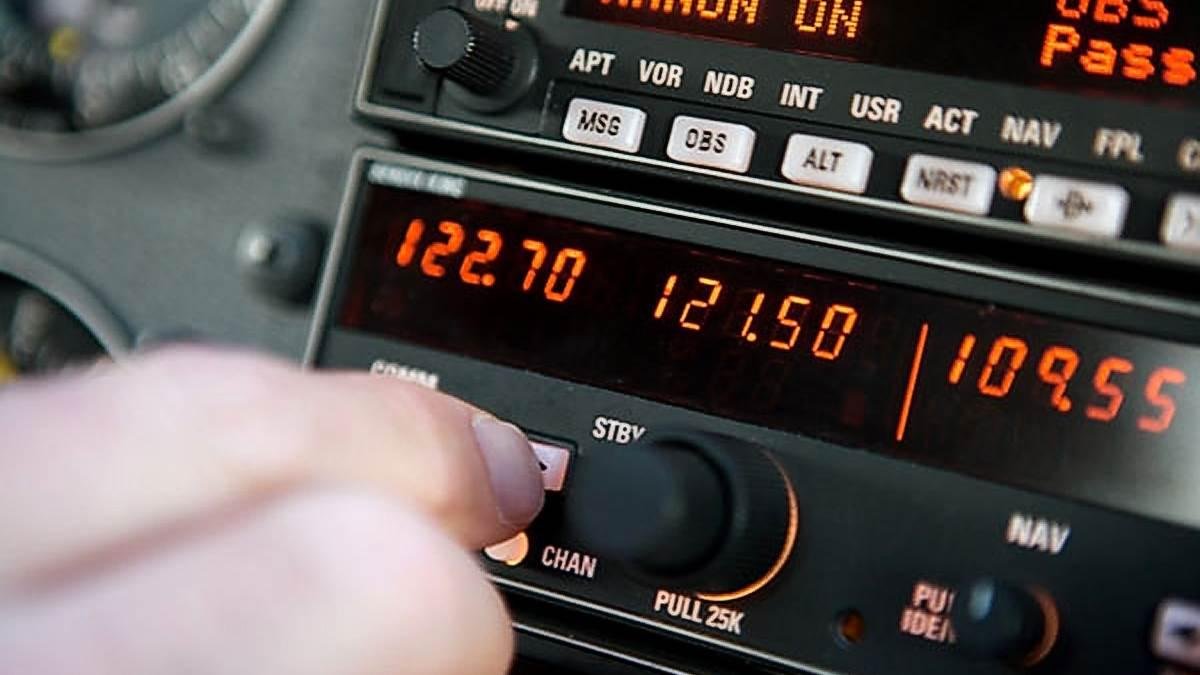
What are the frequencies that pilots depend on for voice communications and navigation? We have low frequency (LF), medium frequency (MF), high frequency (HF), and a very high frequency (VHF) bands. What is each one currently used for?
Low Frequency
When aviation radio first started out, most air navigation transmissions happened on the low frequency from 200 KHz to 415 KHz. The more advanced high frequency became, the more low frequency air nav beacons were shut down. They still remain useful to some extent; its long wavelength is less affected by terrain. That’s why some low frequency beacons are still available and are used for instrument landing.
Medium Frequency
The medium frequency is useful because most airplanes have radio direction finders onboard that receive a bearing by focusing on a medium frequency. It is allocated a small portion of the medium frequency spectrum in a band from 2850 to 3000 KHz.
High Frequency
Previously, high frequency was mostly used for domestic radio communications, but is now used for international flight since it provides a longer distance than VHF.
Very High Frequency
The very high frequency is used for domestic flight communications in the time being. The communication and VOR navigational systems are operated on VHF frequencies.