
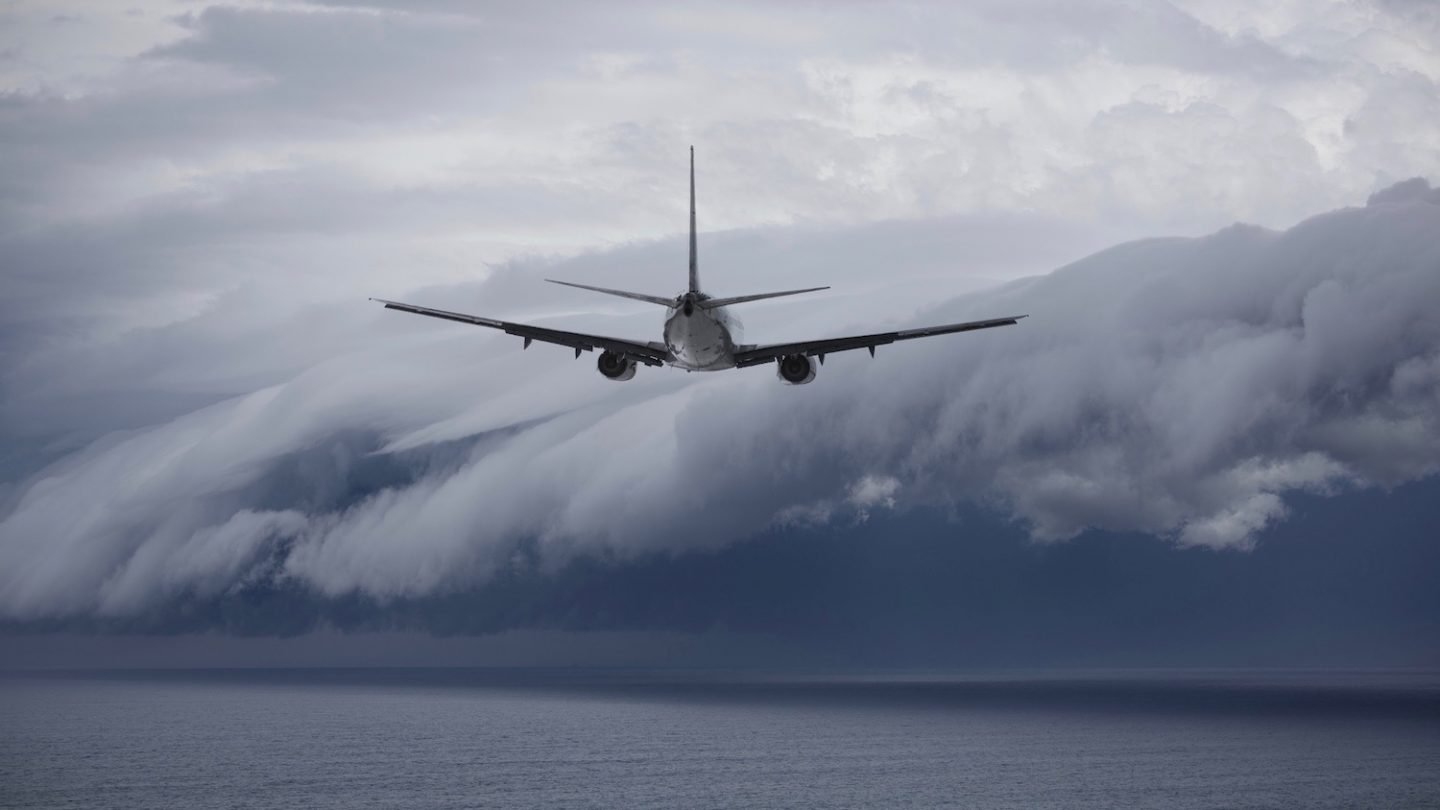
We all wonder how a plane could fly if an engine fails, but it is more worrying if it is in the middle of miles and miles of ocean before finding a place to land safely. These same concerns were expressed by aircraft manufacturers and operators when they wanted their aircraft to cross the oceans without any failure and misfortune, leading to the development of aircraft engine reliability and performance as well as the safety issues involved in long-range aircraft.
Archived image unavailable.
Take-off of Alcock and Brown from St. John's, Newfoundland in 1919. Source: WikipediaCommons/Public Domain.
In June 1919, the Vickers Vimy piloted by John Alcock and Arthur Brown from the British Army departed from Newfoundland to Ireland, making a successful flight crossing the Atlantic Ocean in sixteen hours. In 1936, the regulators answered the concerns issued by restricting operations within 160 km of an airport with one engine operative. At that time 160 km was about 60 minutes of flight with such planes. So, the basis for the requirements was taking shape and the FAA “Federal Aviation Administration” established the 60-minute rule.
The 60-minute rule focused on engine reliability by restricting twin-engine aircraft to areas of operation of 60 minutes with one engine inoperative cruise speed from an airport. After that in 1950, ICAO “International Civil Aviation Organization” issued recommendations based on 90-minutes diversion time acceptable to all aircraft. These recommendations were adopted by many aviation authorities around the world.
Archived image unavailable.
DC-9 jet airliner. Source: transponder1200.com
In the ’60s, with the introduction of jet engines in airliners such as the DC-9 and Boeing 737 along with their turbojet JT8D. Operations had more reliability since the jet engine was more dependable than piston engines, allowing the development of more wide-body aircraft such as the intercontinental trijets, such as the DC-10. By then, international flights and long-range travels were only suitable for trijets and quadjets.
Archived image unavailable.
DC-10, a wide-body trijet aircraft. Source: JetPix/airliners.net
The Airbus twinjet A300, a wide-body aircraft, was performing a flight over the North Atlantic Ocean using the ICAO 90-minute rule, in that moment FAA in the USA did not allow twinjets to cross the ocean.
After that, interest in 120-minutes rules was rising, the routes in the North Atlantic were getting into difficulties since the airports' facilities and en-route alternate airports are subject to limitations, which is why minimizing the cost of routing was the main idea.
ETOPS stands for extended operation and was the name ICAO gave to these types of flight capabilities.
In 1985, the first ETOPS operations (90 minutes) were made in February by TWA with a 767 and in June by Singapore Airlines with an A310
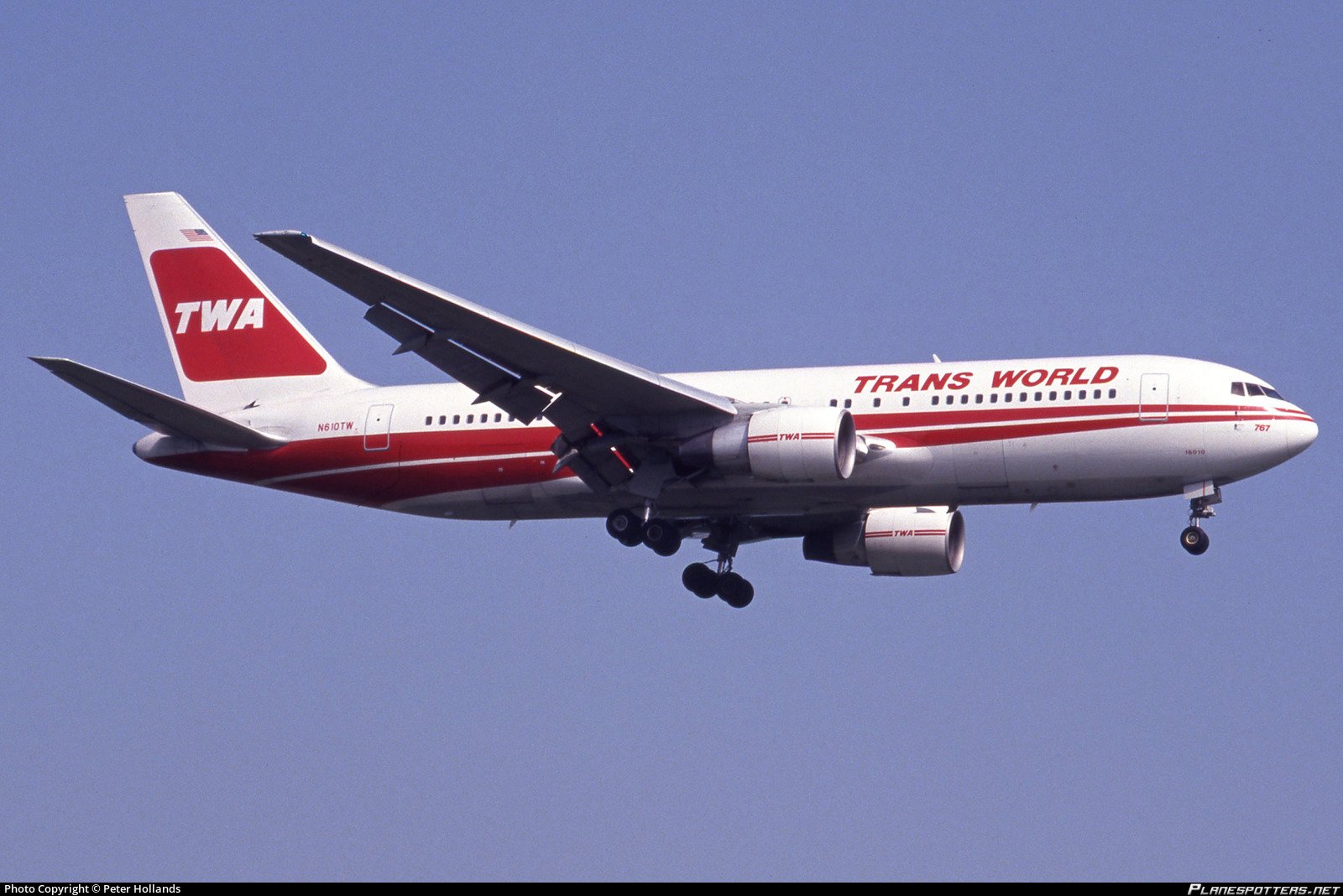
Boeing 767. Source: Peter Hollands/Planespotters.net
The experience obtained with 120-minute ETOPS led the authorities and the industry to consider the 180-minute ETOPS operations, therefore almost any route in the world could be covered by twinjets. This situation leads us to think that the technology and enhancement embedded in aircraft were providing reliability and more safety when flying over long ranges.
Going further than 180-minute ETOPS, the modern aircraft helps to build these long-range routes and the high safety in case of engine failure. The engines used in ETOPS aircraft are now more efficient and reliable than 10 years ago.
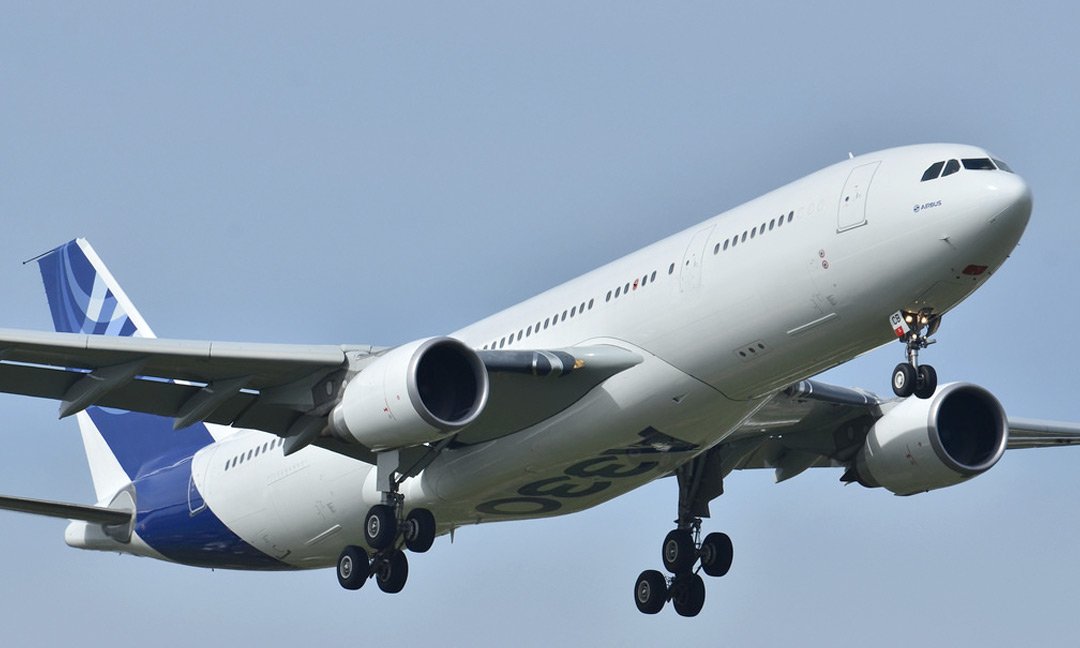
Airbus A330-200. Source: deutsche-privatjet.es
In April 1998, the A330-200 with GE engines obtained the ETOPS Type Design Approval from the JAA with 180 minutes diversion time prior entry into service.”
Airbus
Archived image unavailable.
World exclusion zones for 60-, 90-, 120-, 180-minutes rules. Source: Airbus
On May 28, 2014, the Boeing 787 Dreamliner received its ETOPS-330 certificate from the FAA. In other words, it can safely fly with just one engine for more than five hours before needing to land.
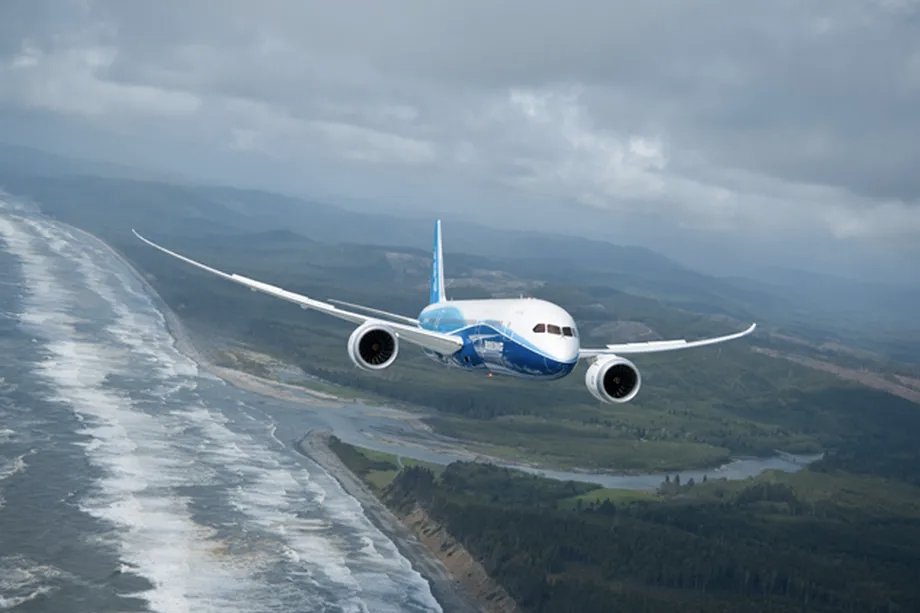
Boeing 787. Source: theverge.com
The European Aviation Safety Agency (EASA) has approved the new Airbus A350-900 airliner for ETOPS (Extended-range Twin-engine aircraft Operations) ‘beyond 180 minutes’ diversion time. This includes an option for up to 370 minutes maximum diversion time.
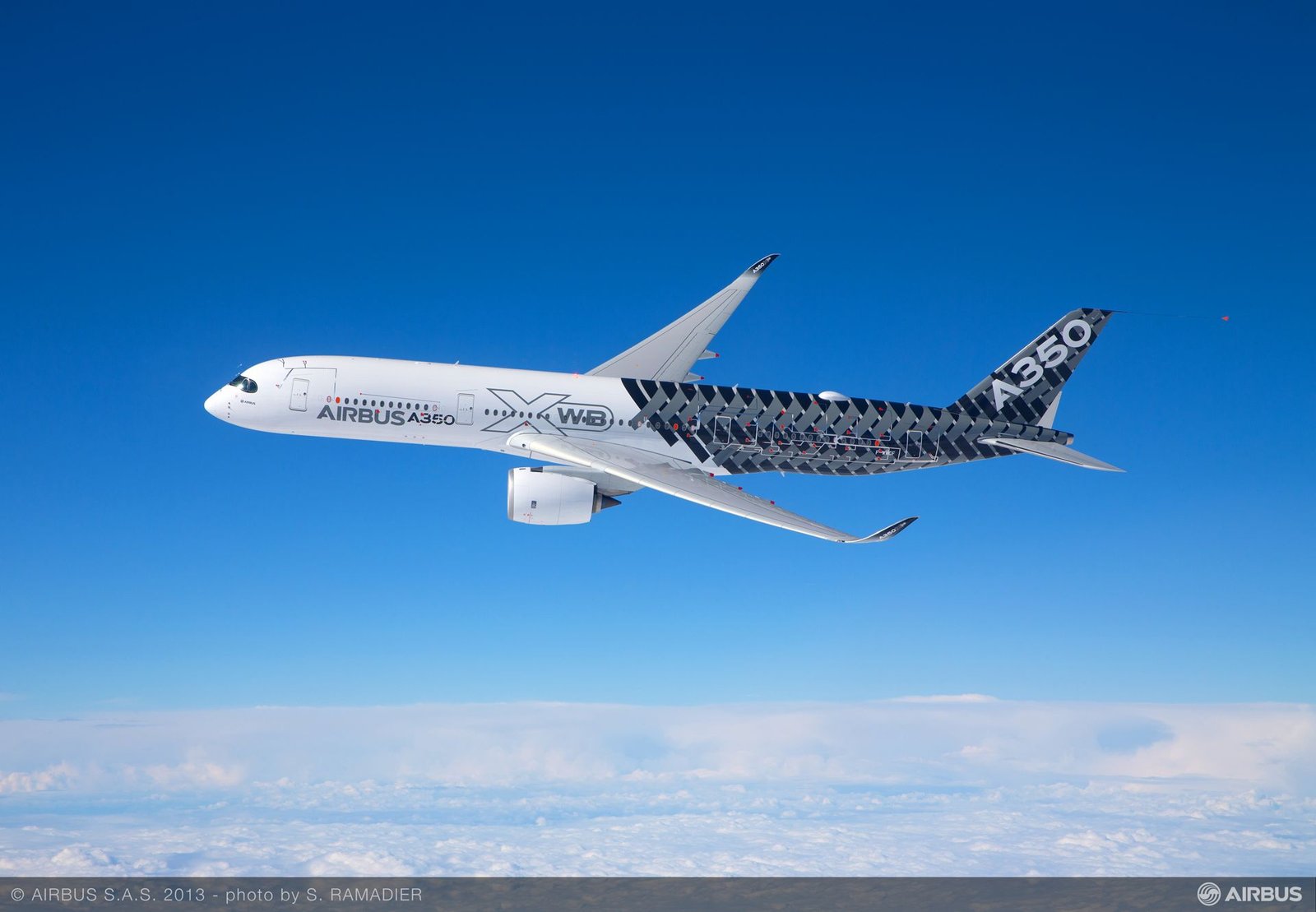
Airbus A350 XWB. Source: Airbus.
So, you may notice, how the long-range aircraft have been certified regarding the one engine rule or engine failure over time, this shows the improvements in design and safety engineering to allow the operators save more and being more efficient in routing as well as providing long-range travels that almost went around the world in only one take-off and landing and even in the safest way with reserve engine in an extreme case.
References:
https://www.airbus.com/company/history/aircraft-history/1977-1979.html
https://boeing.mediaroom.com/2014-05-28-Boeing-Receives-330-Minute-ETOPS-Certification-for-787s
Cover photo: cosmosmagazine.com