
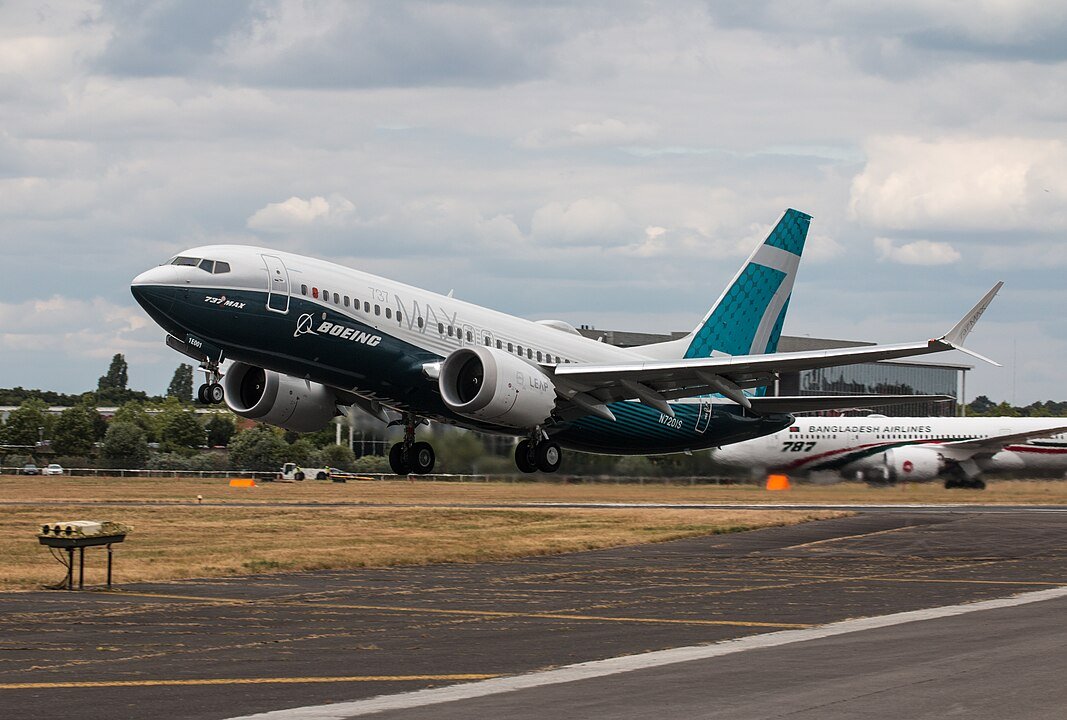
The production of the Boeing 737 MAX jet has yet to resume following the conclusion of strikes in November 2024, as stated by the Federal Aviation Administration (FAA) Administrator, Mike Whitaker, during an interview published by Reuters, on December 4, 2024. Despite the strike's resolution over a month ago, Boeing remains focused on workforce stabilization, training, and resolving supply chain issues before restarting production.
Boeing’s Current Challenges
Mike Whitaker recently met with Boeing’s CEO, Kelly Ortberg, and toured the company’s Renton production facility. Reflecting on the visit, Whitaker noted his surprise that production was still paused nearly four weeks post-strike. He stated,
"The thing that I was most struck by was we’re four weeks post-strike and they’re still not producing airplanes because they’re focused on their workforce, the training, making sure they have the supply chain sorted out."
This pause in production highlights Boeing’s prioritization of operational readiness and safety measures amidst ongoing scrutiny.
Safety Concerns and FAA Restrictions on the Boeing 737 MAX Production
The FAA’s decision to impose a cap on Boeing 737 MAX production to 38 jets per month remains a critical factor. This restriction, initiated after a significant safety incident in January 2024, has had a lasting impact on Boeing’s operations. The incident involved the separation of a door plug from an Alaska Airlines 737 MAX 9 shortly after takeoff, which raised pressing concerns about manufacturing quality and safety.
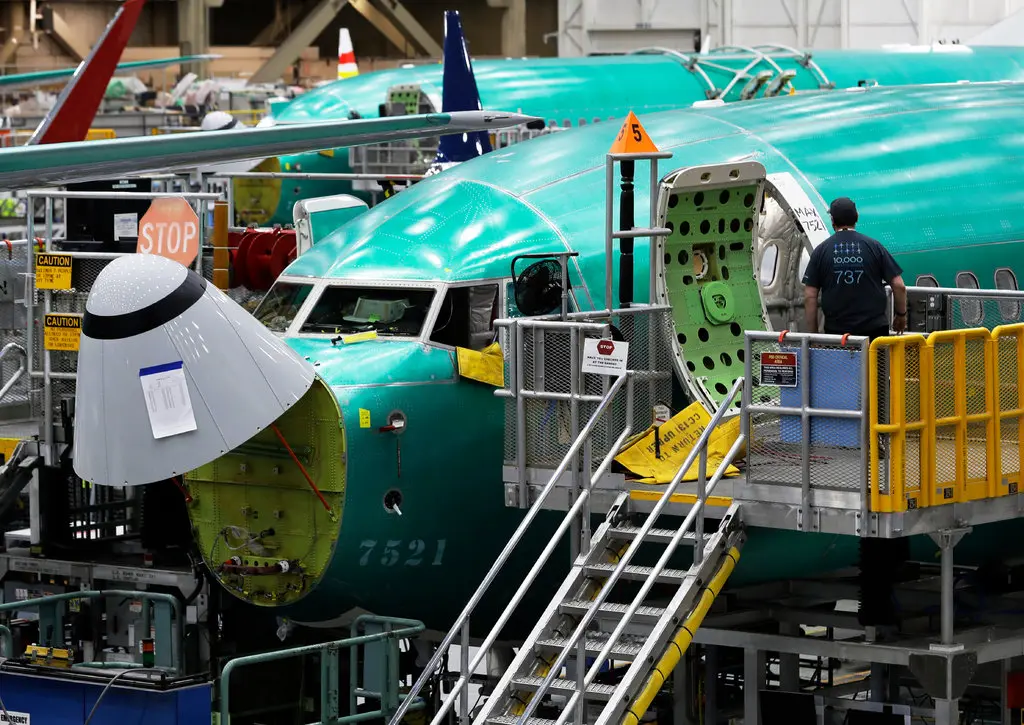
In March 2024, the FAA conducted an extensive six-week audit of Boeing’s manufacturing practices, uncovering “multiple instances where the companies allegedly failed to comply with manufacturing quality control requirements.” As a result, the FAA halted any plans to expand production of the 737 MAX. Whitaker emphasized the importance of accountability, stating that the FAA’s measures were necessary to address Boeing’s production quality issues.
Impact of the Workers’ Strike
The seven-week strike by Boeing workers, which began on September 13, 2024, brought the production of 737s, 787s, and 777s to a complete standstill. The strike not only disrupted Boeing’s manufacturing schedules but also added to the complexity of resuming production smoothly after its resolution.
Despite these challenges, Whitaker expressed optimism following his recent visit to Boeing. He commended the implementation of new systems and training programs, describing them as aligned with expectations. According to Whitaker, these efforts are crucial for ensuring a robust and safe resumption of production. He indicated that production of the 737 MAX is anticipated to restart later this month.
- Featured image by Steve Lynes