
On November 12, 2024, the Federal Aviation Administration (FAA) issued a Notice to Airmen (NOTAM) temporarily banning U.S. civilian flights to and from Haiti. This ban, lasting 30 days, comes in response to a rise in violent incidents in Haiti, particularly in the airspace surrounding Port-au-Prince. The prohibition affects U.S. air carriers and commercial operators, who are restricted from flying at altitudes from the surface up to 10,000 feet in Haitian airspace.
The only exceptions to this ban are U.S.-registered aircraft operated by foreign carriers or those flights granted special permission by the FAA. However, in emergencies requiring immediate action, the pilot in command may deviate from the NOTAM as needed to ensure the safety of the flight.
Incident Leading to the Decision: Spirit Airlines Flight 951
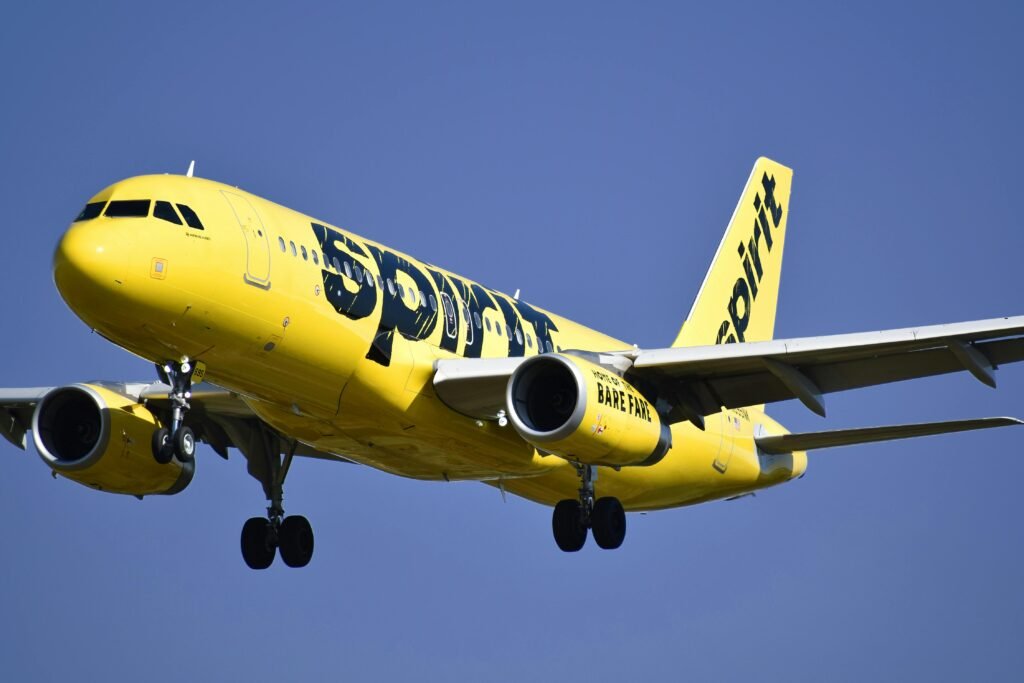
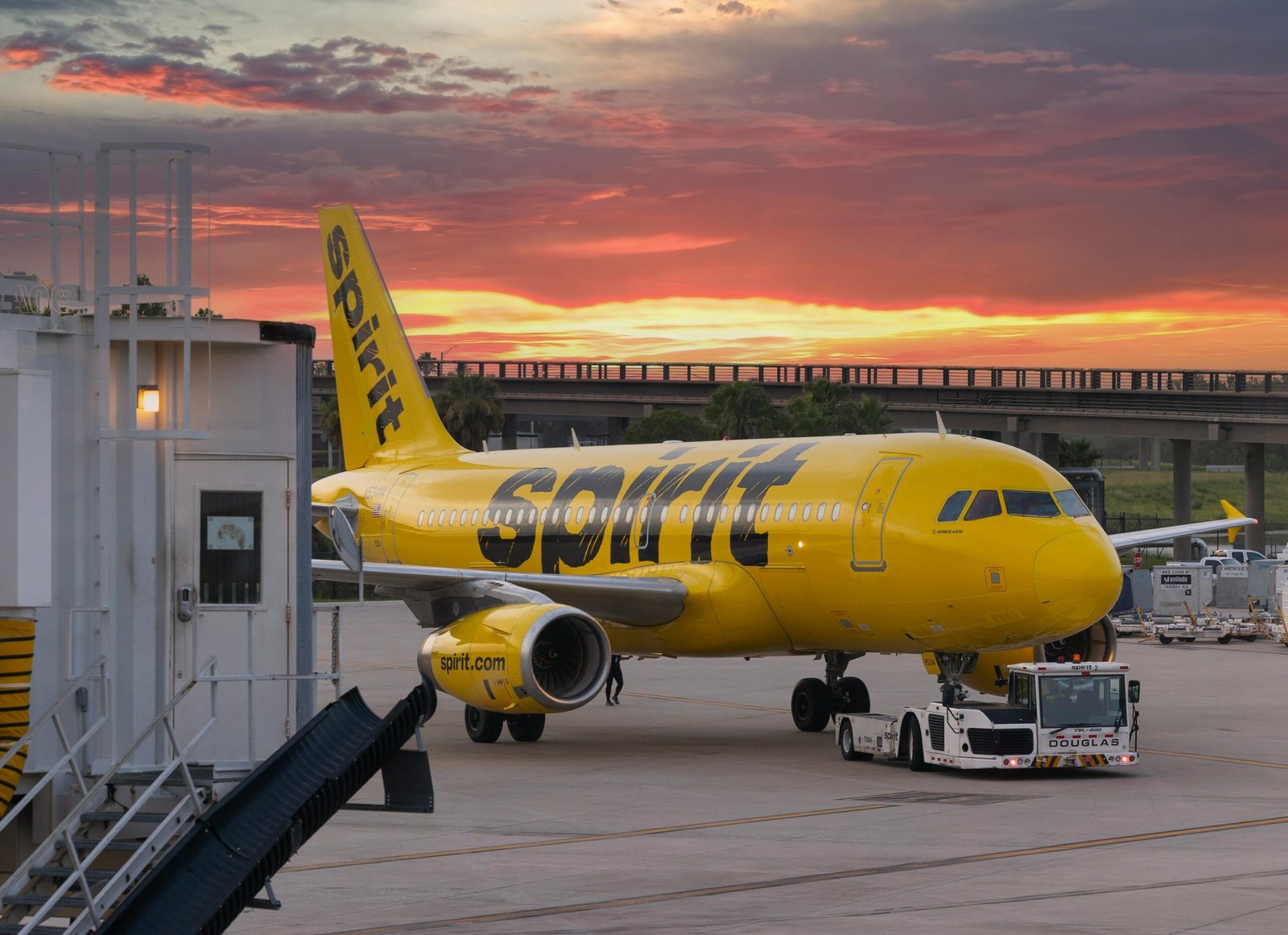
The decision to impose the ban was largely influenced by a recent violent incident involving a Spirit Airlines aircraft. On November 11, 2024, Spirit Airlines Flight 951, an Airbus A320-271N, encountered gunfire while attempting to land at Toussaint Louverture International Airport (PAP) in Port-au-Prince. The aircraft sustained four gunshot impacts during this gang-related violence, though none of the passengers were injured. A flight attendant, however, sustained minor injuries, highlighting the serious nature of the risk to civilian flights in the region.
Heightened Security Risks Around PAP Airport
Following the gunfire incident, the U.S. Embassy in Port-au-Prince issued a public statement on November 12, 2024. The Embassy announced the suspension of operations at PAP airport, emphasizing the severe instability in the surrounding area. Officials warned that violent outbreaks could occur near the airport at any moment due to the increasing unrest in Port-au-Prince.
In light of the ongoing threat, the U.S. Embassy further limited its operations on November 13, 2024, citing concerns about the persistent violence in the city and near the embassy premises.
Safety Measures for U.S. Air Carriers and Operators
The FAA’s NOTAM is intended to safeguard passengers and crew from potential harm associated with the deteriorating security situation in Haiti. This proactive measure will remain in effect for 30 days, though the FAA is likely to monitor the situation closely and reassess as needed to determine if an extension is warranted.
The FAA’s response highlights the critical importance of swift action in high-risk zones to protect aviation safety, reflecting the agency's commitment to the well-being of its passengers and crews amidst unstable conditions.
- Featured Image by john mckenna