
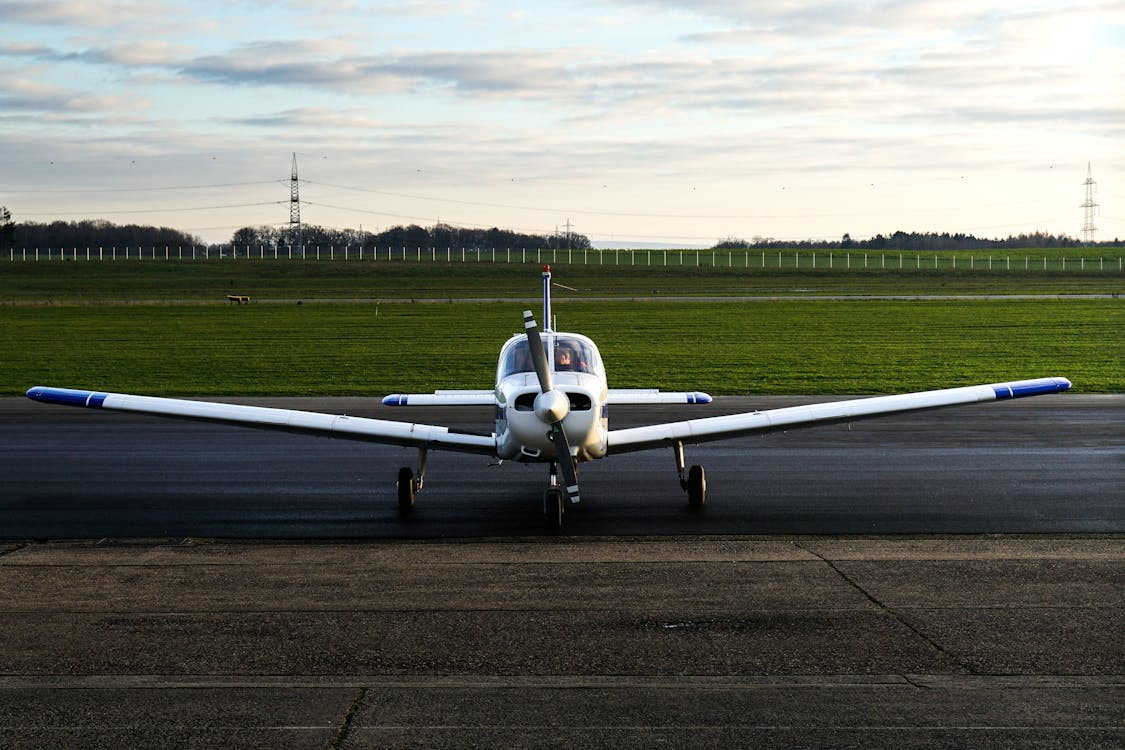
Learning to fly has never been cheap, but for many aspiring pilots today, the cost of training has crossed from challenging into prohibitive. Rising aircraft rental rates, fuel prices, instructor fees, and mandatory ground schooling have pushed the price of a pilot licence far beyond what it was even a decade ago. For some, the financial barrier now ends the journey before it truly begins.
What’s often overlooked is that not all costs in pilot training are tied directly to flying. Ground school, revision courses, exam preparation, and supplemental instruction quietly add thousands more — and these are areas where modern alternatives are beginning to make a difference.
The Hidden Cost of Ground Training
Flight time will always be expensive, and there is no replacing it. But much of what pilots need to learn happens on the ground: air law, navigation, meteorology, human performance, and systems knowledge. Traditionally, this has meant classroom-based courses, printed materials, and fixed schedules — all of which add cost without necessarily improving understanding.
Students often find themselves paying repeatedly for explanations they didn’t fully absorb the first time, simply because the format didn’t suit their learning style. When training is rushed or fragmented, revision becomes another expense rather than a built-in part of the process.
Lowering the Barrier Without Lowering the Standard
Online learning is starting to address this imbalance. By separating flight training from theory revision and exam preparation, students can reduce costs without compromising quality. Self-paced learning allows pilots to arrive at lessons better prepared, make more efficient use of instructor time, and avoid paying for repeat ground briefings.
Still, effective revision requires more than recorded content. Aviation is complex, and real understanding often comes from asking questions, discussing scenarios, and hearing how others think through problems.
Waypoint One: Supporting Pilots Along the Way
This is where Waypoint One fits into the changing training landscape. Rather than replacing flight schools, Waypoint One acts as a secondary source of education, focused on revision, exam preparation, and reinforcing understanding alongside formal training.
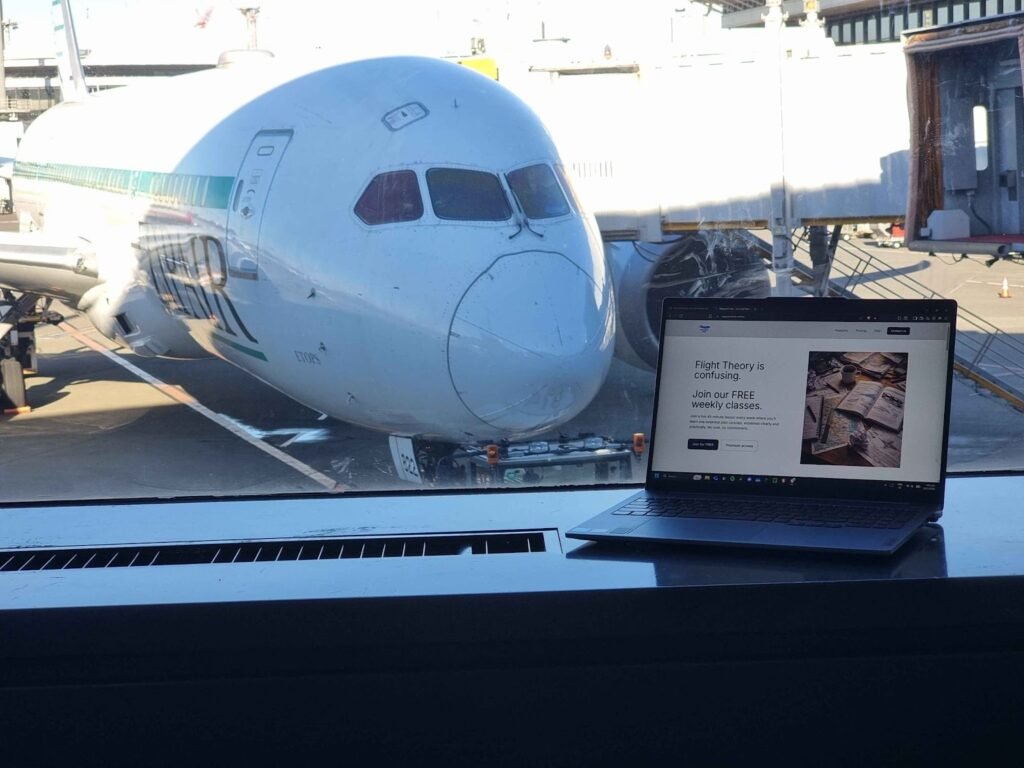
Accessible for free, Waypoint One offers a community-based approach to learning, with live video call lessons, group discussions, and shared study sessions. Its content is aimed primarily at students working from PPL through mid-CPL level, providing structured support during some of the most academically demanding stages of training.
Waypoint One also recognizes the value of flight simulators, whether used seriously for procedural practice or simply for enjoyment. For many students, simulators offer an affordable way to stay engaged with aviation concepts between flights — particularly when real-world flying hours must be limited due to cost.
You can visit their website to learn more: www.waypointone.online
Now, the idea isn’t to make pilot training “cheap” — that’s unrealistic. Instead, the goal is to remove unnecessary paywalls around knowledge. When students can revise freely, ask questions without the meter running, and prepare effectively for exams, every paid flight hour becomes more valuable.
By making high-quality revision and community learning accessible at no cost, platforms like Waypoint One are helping shift pilot training toward a more sustainable model — one where motivation and understanding matter more than financial reach.
A More Sustainable Future for Pilot Training
As training costs continue to rise, the industry must rethink how knowledge is delivered. Blended learning models that combine structured flight training with accessible online revision and community support are no longer optional — they’re essential.
Pilot training will always require investment, but education doesn’t have to be locked behind escalating fees. With platforms like Waypoint One supporting students outside the cockpit, the path to becoming a pilot becomes not easier — but fairer, smarter, and more attainable.