
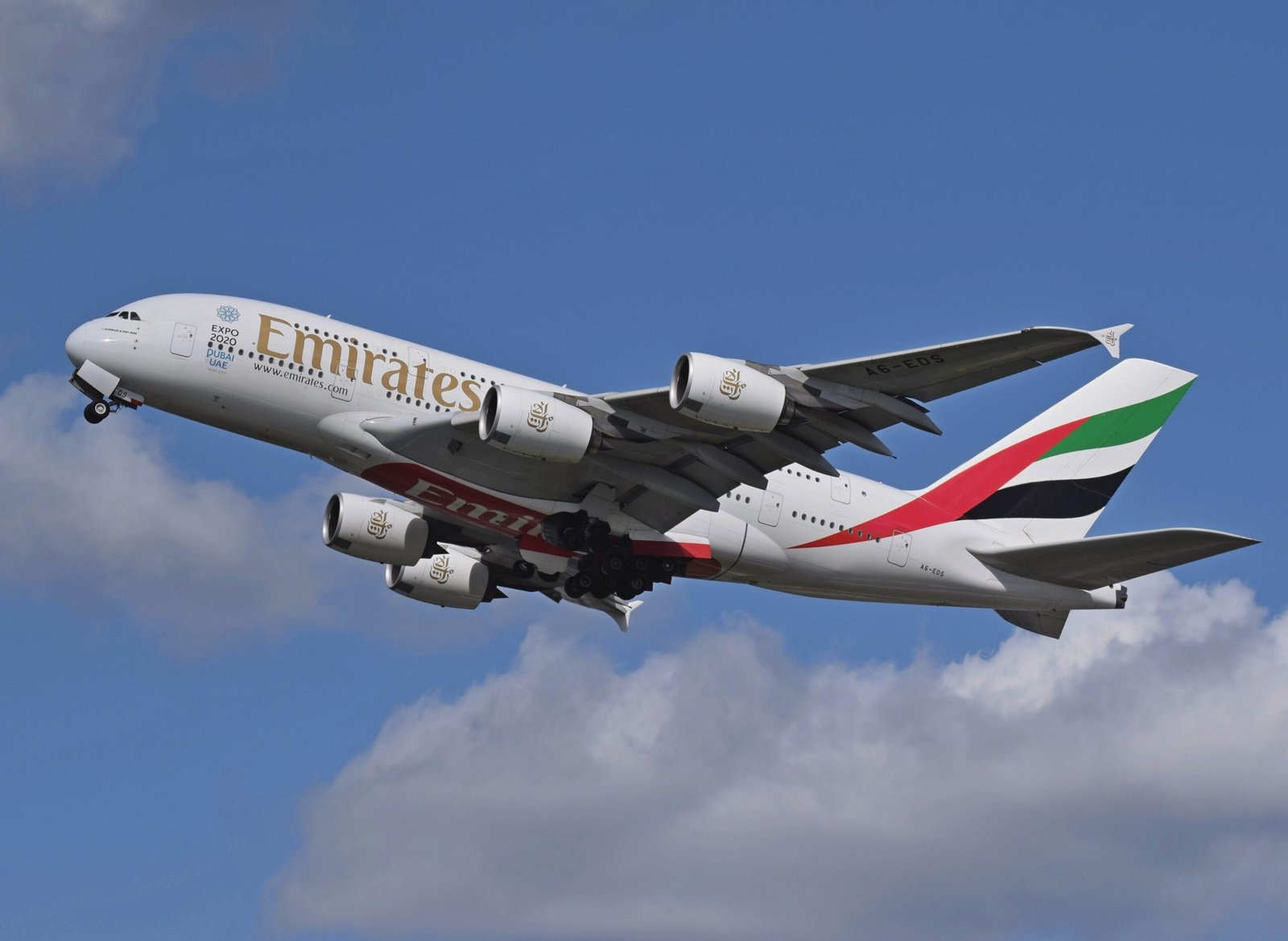
Emirates President Tim Clark has made controversial allegations regarding the fate of the Airbus A380 superjumbo aircraft. The airline executive, who has led the Dubai-based carrier since 2003, claims that competing airlines deliberately undermined the aircraft program to target Emirates specifically.
In this article:
According to Clark's assertions, major US carriers and Star Alliance member airlines orchestrated a coordinated effort to avoid purchasing the A380. This strategic boycott allegedly aimed to force Airbus to discontinue production of the double-decker jet, ultimately weakening Emirates' competitive position in the global aviation market where the airline had heavily invested in the aircraft type.
What Did Sir Tim Clark Say?

Emirates President Tim Clark made specific accusations about how other airlines sabotaged the A380 during a podcast interview. He claimed that US airlines and Star Alliance members deliberately avoided purchasing the Airbus A380 to undermine Emirates' competitive position in the aviation industry.
Tim Clark described the A380 as "a weapon in Emirates' armory" and suggested that competing carriers recognized this advantage. According to his statements, American carriers weren't interested in the aircraft because it gave Emirates a significant operational edge in the marketplace.
The Emirates executive alleged that Star Alliance members were instructed not to order the jet. His theory suggests this coordinated avoidance was intentional rather than based purely on economic factors or operational requirements.
Key Elements of Clark's Claims:
- Major airlines deliberately boycotted the A380
- The goal was forcing Airbus to cease production
- US carriers specifically avoided the aircraft
- Star Alliance coordination against the program
- Emirates was the primary target of this strategy
Clark positioned Emirates as the victim of industry politics rather than market forces. He argued that the superjumbo's early demise resulted from deliberate boycotts by rival airlines rather than genuine operational or financial concerns about the aircraft's viability.
Tim Clark emphasized that Emirates had transformed the A380 into more than just transportation. Under his leadership, the airline equipped the aircraft with luxury amenities that became signature features distinguishing Emirates from competitors in premium air travel segments.
Clark Believes US Airlines Could Have Made The A380 Work
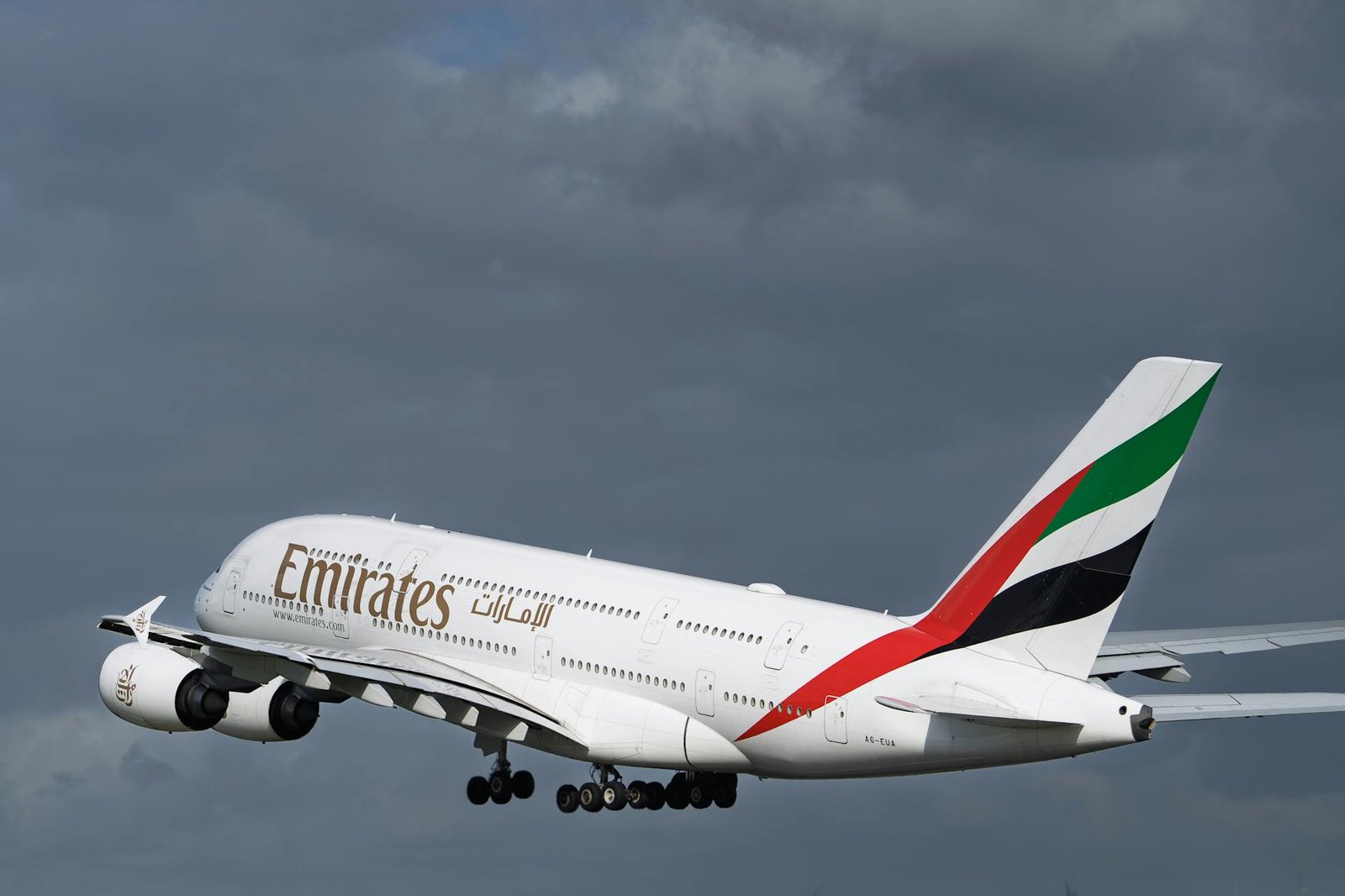
Clark maintains that major American carriers missed a substantial business opportunity by refusing to adopt the A380 superjumbo. He contends that airlines such as United, American Airlines, and Delta possessed the operational scale and route networks that would have made the aircraft profitable for their operations.
The Emirates president, Tim Clark, argues that US airlines had the financial resources and route structures necessary to successfully integrate the A380 into their fleets. According to Clark's assessment, these carriers could have deployed the aircraft on high-density domestic routes and transcontinental services where passenger volume would justify the plane's capacity.
Clark points to specific operational advantages that American carriers could have realized:
- Hub operations: Major US airlines operate fortress hubs that generate sufficient passenger flow for A380 deployment
- Slot-constrained airports: The aircraft's high capacity would maximize revenue at airports with limited takeoff and landing slots
- Premium market positioning: American carriers could have used the A380 to differentiate their premium cabin offerings
The financial case extends beyond operational considerations. Tim Clark suggests that American Airlines and other major US carriers had the balance sheet strength to absorb the initial investment costs associated with A380 acquisition and crew training. He maintains that these airlines possessed sufficient long-haul route density to achieve acceptable load factors.
Tim Clark's position challenges the conventional wisdom that the A380 was unsuitable for US airline business models. He disputes claims that American carriers lacked appropriate route structures, instead arguing that their deliberate avoidance represented a coordinated strategy rather than sound business judgment.
The Emirates executive emphasizes that US airlines could have modified their network strategies to accommodate the A380's capacity. He suggests that carriers like United and American Airlines possessed the operational flexibility to adjust scheduling and route planning to optimize the aircraft's utilization across their domestic and international networks.
Emirates & The A380 Today
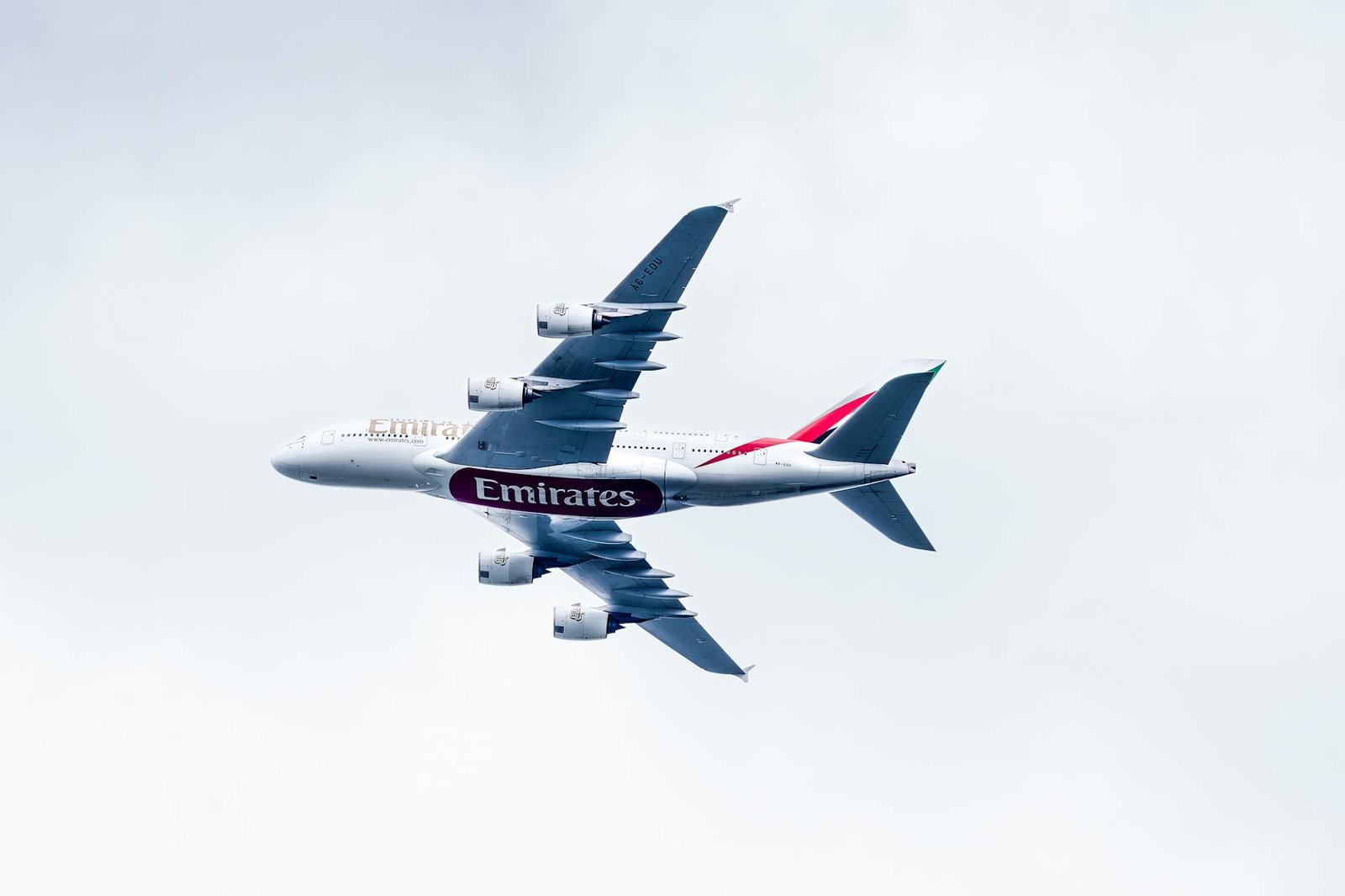
The UAE flag carrier operates the world's largest fleet of Airbus A380 aircraft. Emirates currently maintains 118 of these quadjets in its fleet, representing nearly half of all A380s ever produced by the European manufacturer.
The Dubai-based middle eastern airline keeps 97 of these superjumbos in active service, while 14 undergo scheduled maintenance and seven remain in storage. The carrier has retired only five aircraft from its original order of 123 units.
Emirates' A380 fleet averages 10.9 years in age, making it significantly younger than the airline's overall fleet average of 15.5 years. This relatively young age supports continued operations for years to come.
The airline deploys these aircraft primarily from its Dubai hub at Dubai International Airport. Recent scheduling data reveals the scale of operations:
| Monthly A380 Operations | |
|---|---|
| Scheduled Flights | 5,079 |
| Available Seats | 2,624,437 |
| Available Seat Miles | 10.1 billion |
These massive aircraft connect Dubai with major airports worldwide, serving routes where high passenger volume justifies the A380's 500-plus seat capacity.