
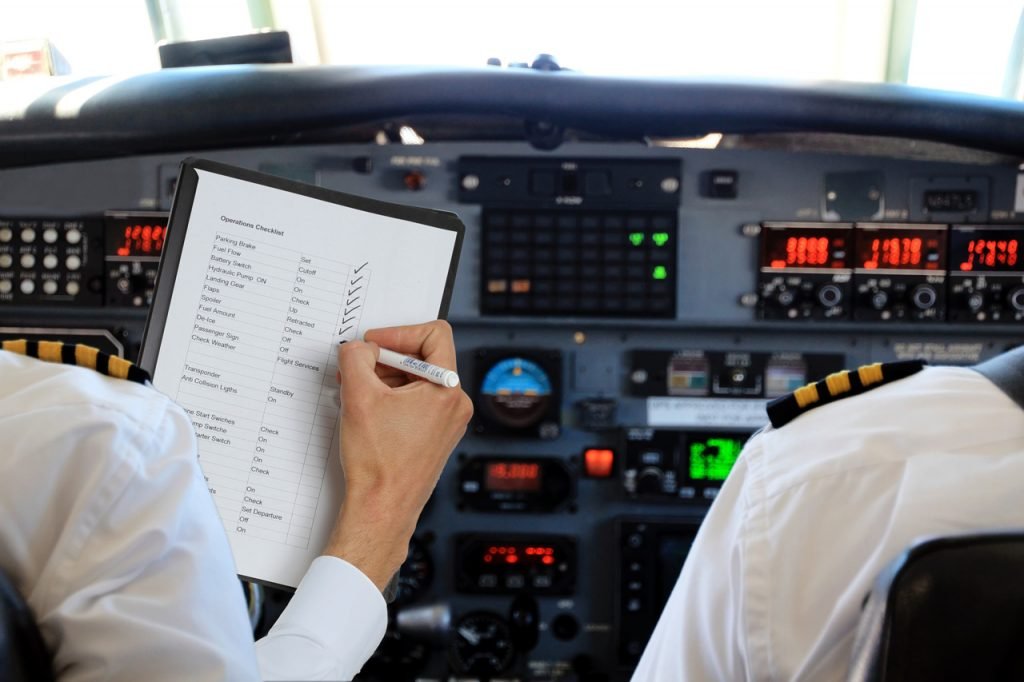
Following the 1935 crash of the prototype Boeing B-17 (then known as the Model 299) at Wright Field in Dayton, Ohio, which killed both pilots, the concept of a pre-flight checklist was first introduced by management and engineers at Boeing Corporation, according to researcher and writer Atul Gawande. The pilots had forgotten to disconnect the critical gust locks (devices that prevent control surfaces from moving in the wind while parked) before take-off, according to the investigation.
A pre-flight checklist is a set of actions that pilots and aircrew should complete before takeoff. Its goal is to increase flight safety by ensuring that no critical activities are overlooked. Failing to do a pre-flight check using a checklist appropriately is a key contributor to aviation accidents. It is performed by the pilot or copilot, and the maintenance staff is in charge of managing the aircraft's maintenance status and communicating that information to the flight crew.
Credit: flyexpress
The before takeoff check is a method for thoroughly inspecting the engine, controls, systems, instruments, and avionics before taking off. It is usually done after taxiing to a position near the runway's end. Taxiing to that location usually gives the engine enough time to warm up to minimal operating temperatures. Before operating at high power settings, this guarantees sufficient lubrication and internal engine clearances. Before high power is given to many engines, the oil temperature must exceed a minimum value specified in the AFM/POH.
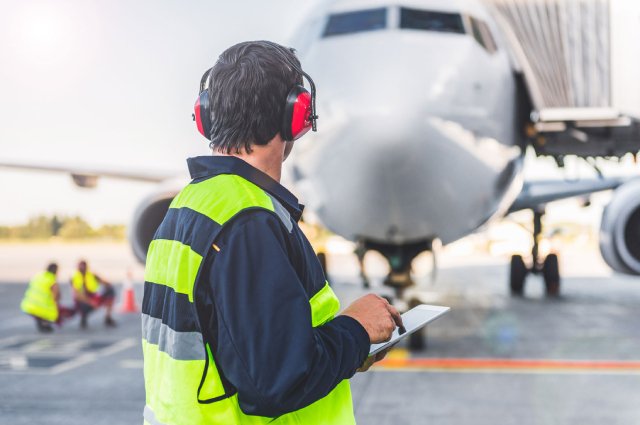
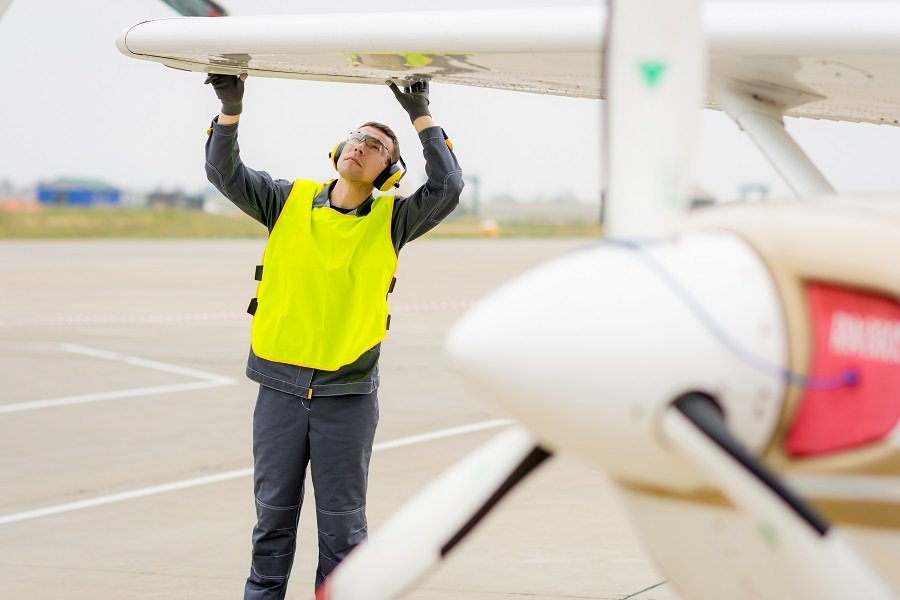
An exterior walk-around and visual inspection of important areas of the airplane, including sensors, probes, structural components, and exposed motors and cables, are included in a pre-flight check (such as those for the landing gear). It isn't quite comprehensive enough to catch every issue, but it is an essential aspect of each flight. The interior section of the preflight checks include built-in tests of systems such as fire detectors, weather radar, warning lights, and other systems. This is highly dependent on the airplane. These tests are carried out automatically in newer airplanes.
The mandatory interval checks are the responsibility of the maintenance crew. The A-check, B-check, C-check, and D-check are the four types of checks. The A-check is the least intensive and takes place every 500 hours of flight. The D-check is a detailed examination that takes place every six years or so. The D-check is so intrusive and costly that many airlines simply retire the plane instead.
Credit: miat.edu
Example of a pre-flight checklist
Before take off
Altimeter – set
Auxiliary fuel pump – off
Directional gyro – set
Engine idle – checked
Flaps – as required
Flight controls – free and correct
Fuel gauges – checked
Instruments and radios – checked and set
Landing gear position lights – checked
Magnetos – checked
Parking brake – off
Propeller – exercise
Seat belts/shoulder harnesses – fastened
Trim – set
Final checklist
Action – engine instruments checked
Camera – transponder on
Doors and windows – locked
Lights – landing, taxi, strobes on
Mixture – full rich unless above 3,000 feet MSL
Before landing checks
Cowl flaps – as required
Directional gyro – aligned with magnetic compass
Fuel selector – fullest tank
Mixture – full rich unless airport above 3,000 feet MSL
Seat belts/shoulder harnesses – secure
Final checklist
Flaps – as required
Landing gear – down
Propeller – high rpm
Many pilots do not use written checklists because they believe they are experienced enough and/or too busy to require them. Don't allow complacency to put you in a risky situation. Even if you do a mental checklist for takeoff and landing, it's a good idea to speak it out loud and double-check with a written checklist to ensure you didn't forget anything. It's far better to discover something that is wrong on the ground than the air.
As there are more daily checks done for the plane before flying, this is just a short fact regarding the pre-takeoff checklist.

Credit: IATA
Sources
https://patch.com/connecticut/danbury/takeoff-landing-checklist-best-practices
Adobe Stock: RioPatuca Images, flightsafetyaustralia (Cover Photo)