

Becoming a pilot involves numerous complexities that many aspiring pilots overlook before entering the profession. The path requires understanding various operational realities, from regulatory requirements to career progression systems that differ significantly from traditional employment structures.
The profession demands continuous learning through mandatory training cycles, medical certifications, and competency evaluations that occur throughout a pilot's career. Airlines operate on strict seniority-based systems that determine everything from aircraft assignments to vacation scheduling, while pilot flexibility remains essential as companies assign destinations and aircraft types based on operational needs rather than personal preferences.
Key Takeaways Becoming a Pilot
- Pilots must complete extensive ongoing training requirements including annual medical exams, simulator checks, and recurrent education throughout their careers
- Airline seniority systems strictly control career progression, pay scales, and job assignments, with pilots losing all accumulated seniority when switching companies
- Airlines determine aircraft assignments, flight destinations, and scheduling based on operational needs rather than pilot preferences, requiring significant career flexibility
Becoming a Pilot Fundamentals
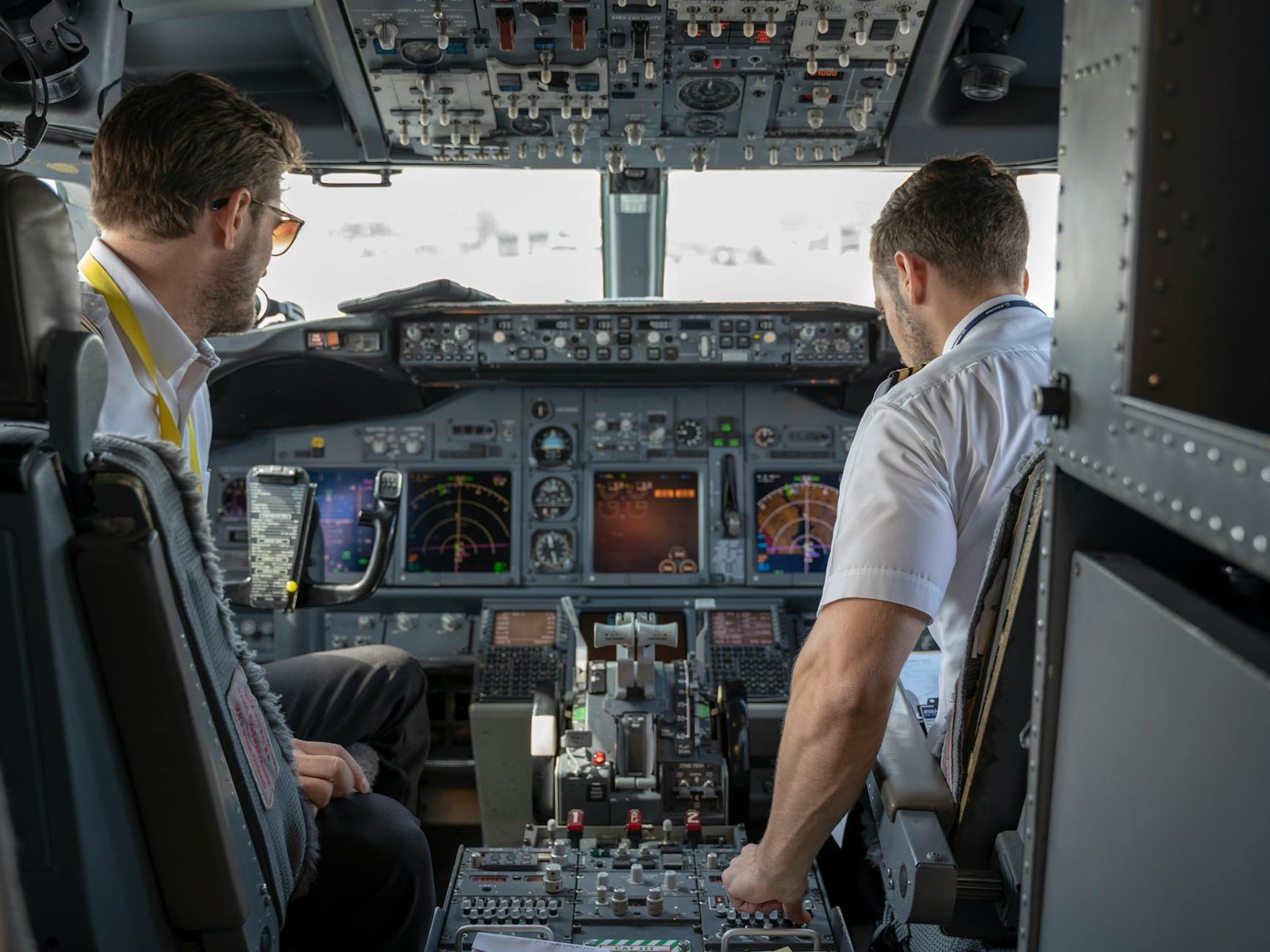
Professional Status Across Global Markets
The aviation industry presents unique employment classification challenges worldwide. Many countries do not officially recognize piloting as a standard profession within their job classification systems.
In Germany, pilots who become unemployed cannot rely on traditional job placement services. Government employment centers lack the specialized knowledge and connections needed to match pilots with airline positions. Airlines never recruit pilots through standard unemployment offices.
When pilots register as unemployed, officials often question their transferability to other sectors. Without university degrees or additional qualifications beyond flight training, pilots face limited options outside aviation. Employment counselors frequently express difficulty in finding alternative career paths for displaced aviators.
This classification gap creates substantial challenges during industry downturns or airline bankruptcies. Pilots must independently navigate job searches without institutional support systems available to other professions.
Pilot Professional License Constraints
A pilot license serves one specific function: operating aircraft. No other career opportunities directly stem from flight certification alone.
The aviation credential does not transfer to adjacent fields like accounting, management, or technical roles outside aviation. Employers in other industries typically do not recognize pilot training as qualifying experience for their positions.
Continuous education requirements define the profession:
- Annual medical examinations (biannual after age 50)
- Yearly ground school training covering systems, navigation, and procedures
- Two simulator evaluations annually (16 total hours across four sessions)
- Line checks on actual aircraft every 1-2 years
- Computer-based learning modules every 2-3 months
Failing any assessment results in immediate grounding until remedial training completion. Pilots must maintain peak performance standards throughout their careers. Established airlines implement comprehensive checking systems to ensure ongoing competency.
Career mobility limitations include:
| Restriction Area | Details |
|---|---|
| Aircraft Assignment | Airlines determine type ratings based on operational needs |
| Route Selection | Destinations limited to airline's network operations |
| Schedule Control | Flight times and patterns assigned by company requirements |
| Vacation Timing | Holiday periods allocated through seniority-based bidding |
Seniority systems govern all career progression. Switching airlines resets seniority to entry level, regardless of total flight experience. Former captains often return to first officer positions when joining new carriers to maintain system fairness for existing employees.
Continuous Training and Assessment Requirements
Yearly Medical Certifications
Pilots must complete medical certifications annually to maintain their flying privileges. The examination becomes more frequent after age 50, requiring bi-annual assessments.
Regular exercise and healthy eating habits help reduce stress before these mandatory medical evaluations. Maintaining physical fitness throughout the year ensures pilots meet the strict health standards required for aviation.
Classroom Instruction and Flight Simulator Evaluations
Airlines conduct annual ground school sessions to verify pilots' knowledge of aircraft systems, navigation procedures, and standard operating protocols. These classroom-based assessments ensure pilots remain current with regulatory requirements.
Simulator evaluations occur twice yearly through four separate 4-hour training sessions. These assessments focus on:
- Manual flying competency
- Emergency response procedures
- System knowledge application
- Procedural accuracy under pressure
Failure to pass simulator checks results in immediate grounding until additional training is completed and reassessment occurs.
Flight Line Assessments and Performance Reviews
Line checks take place annually or biennially aboard actual aircraft during regular operations. An examiner occupies the jump seat to evaluate pilot performance in real-world conditions.
These evaluations assess system knowledge and adherence to standard procedures. Pilots who fail line checks face temporary grounding and must complete remedial training before returning to active duty.
The assessment covers both technical proficiency and operational decision-making during actual flight operations.
Electronic Learning Module Requirements
Airlines require pilots to complete computer-based training modules every 2-3 months. These sessions maintain theoretical knowledge and keep pilots updated on regulatory changes.
Training frequency varies between carriers, with established airlines typically implementing comprehensive electronic learning systems. The modules cover current procedures, safety updates, and regulatory compliance requirements.
Pilots must demonstrate satisfactory completion of all assigned modules to maintain their qualification status with the airline.
Career Advancement and Hierarchy
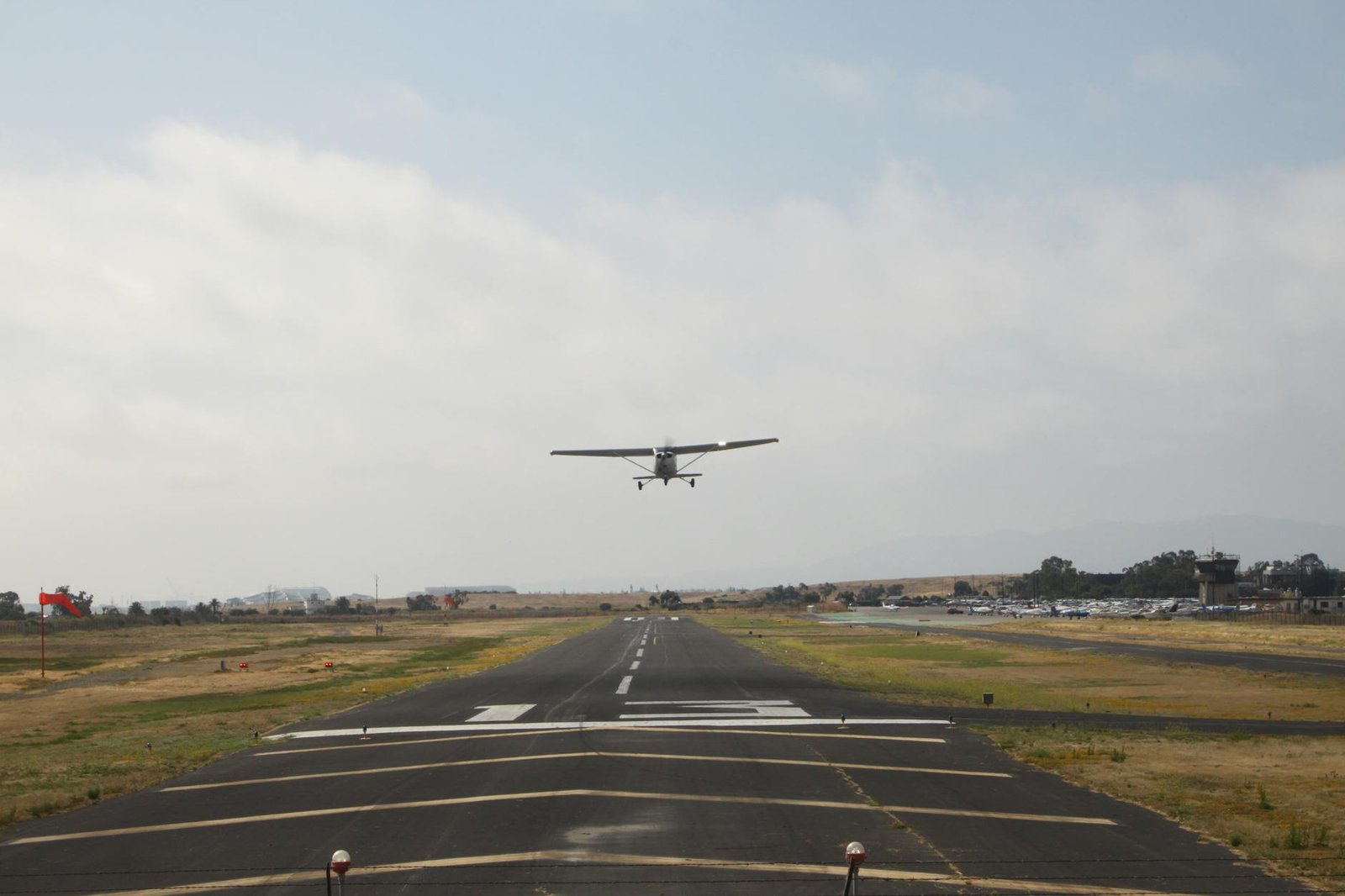
How Rank Affects Professional Growth
Airline hierarchy operates on a rigid system that determines every aspect of a pilot's career trajectory. New pilots enter at the lowest position on the ranking system and receive corresponding entry-level compensation.
Career advancement follows a strict progression based on time served with the company. Pilots cannot skip positions or accelerate their climb through merit alone. The ranking determines upgrade timing to captain positions and associated salary increases.
This system affects multiple career aspects including:
- Aircraft assignment - Airlines assign aircraft types based on operational needs
- Route selection - Destinations depend on company operations and pilot requests
- Schedule preferences - Senior pilots receive priority for desirable flight times
- Vacation allocation - Holiday periods go to higher-ranking personnel first
Career Impact of Company Changes
Switching employers results in complete loss of accumulated ranking position. Pilots must restart at the bottom regardless of their previous experience or flight hours.
Even experienced captains face demotion when joining new airlines. Companies may hire experienced pilots but require them to serve as first officers initially. This protects existing employees' advancement opportunities.
The system prevents external hires from displacing loyal employees who have waited years for promotions. A pilot with extensive experience at one airline cannot transfer that ranking advantage to a new employer.
Career interruptions compound this challenge. Company bankruptcies or layoffs force pilots to rebuild their careers from entry positions at new airlines.
Captain Advancement Timeline
The path to captain requires significant time investment at a single airline. Most pilots spend multiple years as first officers before upgrade opportunities become available.
Upgrade timing depends entirely on company seniority rather than flight experience or skill level. Pilots must wait for their position on the ranking list to reach upgrade eligibility.
Several factors influence captain advancement:
| Factor | Impact |
|---|---|
| Company growth | Creates more captain positions |
| Fleet expansion | Increases upgrade opportunities |
| Senior retirements | Opens advancement slots |
| Route development | May require additional captains |
The process cannot be accelerated through additional training or exceptional performance. Pilots advance when their ranking position aligns with available captain openings.
Companies maintain this system to ensure fairness among employees. It rewards loyalty and prevents external candidates from disrupting internal advancement queues.
Aircraft Selection and Route Flexibility
Selecting Your Aircraft Category
Airlines determine which aircraft pilots operate based on operational needs and pilot demand for specific aircraft types. New pilots have minimal influence over their initial aircraft assignment after completing flight training.
The hiring airline makes aircraft decisions regardless of pilot preferences. Even major carriers with diverse fleets assign pilots to aircraft based on company requirements rather than personal choice.
Aircraft Assignment Factors:
- Pilot demand for specific aircraft types
- Operational requirements
- Training availability
- Fleet expansion plans
The only scenario where pilots exercise some control occurs when choosing between airlines that operate different manufacturers. Pilots can select between:
| Airline Type | Aircraft Focus |
|---|---|
| All-Boeing operators | Southwest, JetBlue |
| All-Airbus operators | Ryanair, EasyJet |
Career progression may require aircraft transitions. Captain upgrades can involve switching from one manufacturer to another or changing aircraft categories entirely.
Route Types and Operational Assignments
Airlines assign pilots to routes based on operational needs rather than pilot preferences. Flight assignments depend on what destinations the airline serves and current scheduling requirements.
Pilots can submit requests for specific flights and destinations within their airline's network. However, these requests compete with other pilots' preferences and seniority rankings determine priority.
Route Assignment Limitations:
- Limited to airline's destination network
- Subject to seniority-based allocation
- No guarantee of preferred routes
- May include undesirable schedules
Holiday periods and premium destinations receive high demand from pilots. Senior pilots receive priority for requested vacation periods including Christmas, New Year's, Easter, and summer months.
New pilots typically work during peak travel periods when vacation requests are highest. Route preferences become more achievable as pilots gain seniority within their airline.
Airlines operate different business models that affect route types. Full-service carriers focus on business hubs and premium destinations, while low-cost operators emphasize leisure routes and point-to-point connections.
Flight Scheduling and Destination Choices

Carrier Authority Over Flight Paths
Airlines maintain complete control over aircraft assignments and route selections for their pilots. New pilots cannot select their preferred aircraft type, even if they have specific interests in flying particular models like the 747. The airline determines which aircraft a pilot receives training on based on operational needs and pilot demand for specific aircraft types.
Flight destinations are exclusively determined by the airline's operational network. Pilots may submit requests for particular routes or destinations, but these requests depend entirely on what the carrier offers. A pilot working for a European low-cost airline cannot fly to destinations like Hawaii simply because those routes do not exist in that carrier's network.
Aircraft assignment factors include:
- Current pilot demand for specific aircraft types
- Airline operational requirements
- Fleet composition and route needs
- Training capacity for different aircraft systems
The only limited choice pilots have occurs when selecting between airlines that operate different manufacturer fleets. Pilots can choose between all-Boeing operators versus all-Airbus operators, such as Southwest versus JetBlue.
Adaptability and Rank-Based Scheduling
Seniority determines nearly every aspect of a pilot's schedule and route assignments. Junior first officers receive the least desirable flights while senior pilots get priority selection for preferred destinations and schedules.
Route bidding operates strictly on seniority rankings. When multiple pilots request the same desirable route, the pilot with highest seniority receives the assignment. For example, if 80 co-pilots with higher seniority bid on a flight to Australia, junior pilots will not receive that assignment regardless of their interest level.
Seniority affects:
- Route selection priority
- Schedule preferences
- Vacation time allocation
- Aircraft type assignments
Holiday scheduling follows the same seniority-based system. Junior pilots work during Christmas, New Year's, Easter, and peak summer periods while senior pilots secure time off during these high-demand vacation periods.
Airlines require pilots to fly both long-haul and short-haul routes based on operational needs rather than pilot preferences. Pilots must adapt to day flights, night flights, and various destinations within their airline's network. Career progression may involve switching between different route types or aircraft families as the airline's requirements change.
Time Off and Leave Distribution
Experience-Based Time Off Scheduling
Airlines operate strict seniority systems that control vacation scheduling. New pilots start at the bottom of these lists and must accept their position.
Vacation allocation follows these principles:
- Senior pilots receive priority for preferred dates
- Junior pilots work holidays including Christmas, New Year's, and Easter
- Summer vacation requests go to experienced crew members first
- Rookie first officers typically fly during peak holiday periods
The system rewards company loyalty. Pilots who remain with one airline longer gain better vacation scheduling privileges. This creates a clear hierarchy where newer employees work less desirable shifts.
Each airline maintains different vacation policies, but seniority-based allocation remains standard across the industry.
Peak Period and Holiday Flight Assignments
Holiday scheduling presents challenges for junior pilots. Airlines require full staffing during their busiest periods.
Peak season requirements include:
| Holiday Period | Staffing Needs | Junior Pilot Impact |
|---|---|---|
| Christmas/New Year | Maximum coverage | Required to work |
| Easter holidays | High demand flights | Limited time off |
| Summer months | Peak vacation season | Restricted leave |
New pilots cannot expect traditional holiday schedules. The airline industry operates continuously during these high-demand periods.
Pilots gain scheduling flexibility only after accumulating years of service. This process takes considerable time and requires patience from new aviators.
Vacation planning becomes more favorable as pilots advance in company seniority rankings.
Variety in Aviation Operations
Distinct Airline Objectives and Services
Airlines operate with identical fundamental goals centered on profitability, reliability, and safety standards. Each carrier develops unique visions and strategies to achieve these objectives.
Traditional full-service airlines focus heavily on premium passenger experiences. These carriers prioritize business travelers through enhanced first and business class amenities. They establish extensive route networks connecting major international hubs worldwide.
Service Focus Areas:
- Premium cabin experiences
- Business traveler amenities
- Global hub connectivity
- Comprehensive passenger services
Sister companies within the same aviation group often pursue completely different market segments. Some subsidiaries concentrate on leisure travel markets through charter operations. Others target domestic route networks or budget-conscious long-haul passengers.
This operational diversity creates distinct product offerings even within single airline families. Passengers encounter vastly different service levels and pricing structures across these varied business models.
Budget Airlines Versus Full-Service Carriers
Low-cost carriers build their entire business model around affordable ticket pricing. These airlines strip away traditional amenities to maintain competitive fare structures.
Budget operators typically serve leisure destinations and vacation markets. They focus on point-to-point routing rather than complex hub-and-spoke networks. Cost reduction drives every operational decision.
| Carrier Type | Primary Focus | Target Market | Service Level |
|---|---|---|---|
| Full-Service | Premium experience | Business travelers | Comprehensive |
| Low-Cost | Affordable fares | Leisure passengers | Basic |
Full-service airlines maintain comprehensive amenities and services throughout the passenger journey. They invest heavily in premium cabin products and business traveler conveniences.
The route networks between these airline categories differ significantly. Budget carriers cannot offer exotic destinations like Australia or Hawaii due to operational limitations. Full-service airlines maintain broader international networks reaching diverse global markets.
These fundamental differences create distinct career environments for pilots. Each airline type offers different flying experiences, destinations, and operational procedures based on their specific market positioning.