
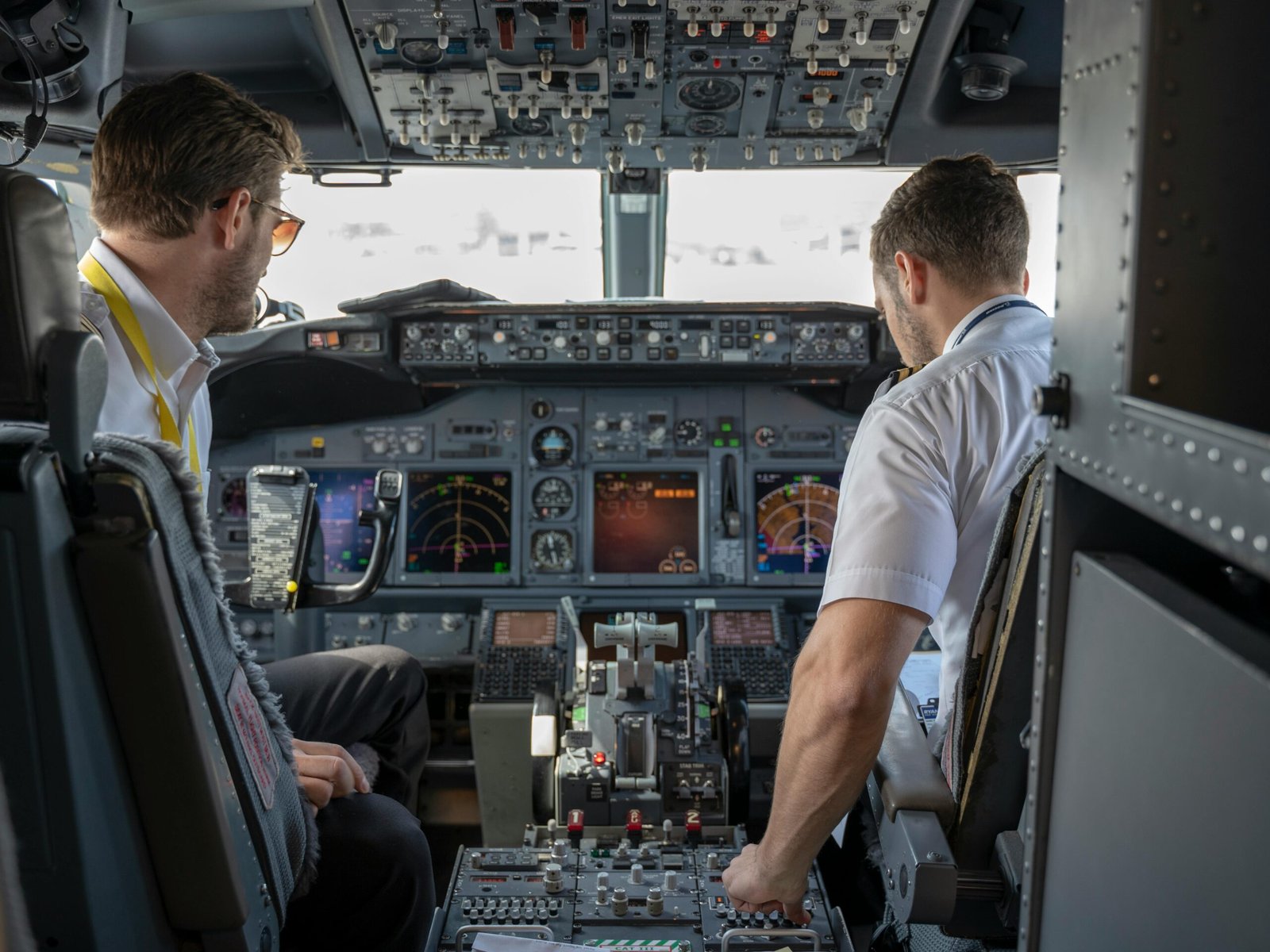
In commercial aviation, one of the most hotly debated questions is whether two pilots are still essential in the cockpit at all times. Air safety advocates fiercely argue that having two qualified individuals at the controls is non-negotiable, ensuring that safety is never compromised.
While modern cockpits are highly automated, with pilots spending much of their time managing advanced navigation systems, passengers overwhelmingly feel safer knowing two pilots are present. But as the aviation industry continues to evolve, some are asking: is having two pilots worth the added costs, and does it truly enhance safety?
Why This Debate Has Taken Off Globally
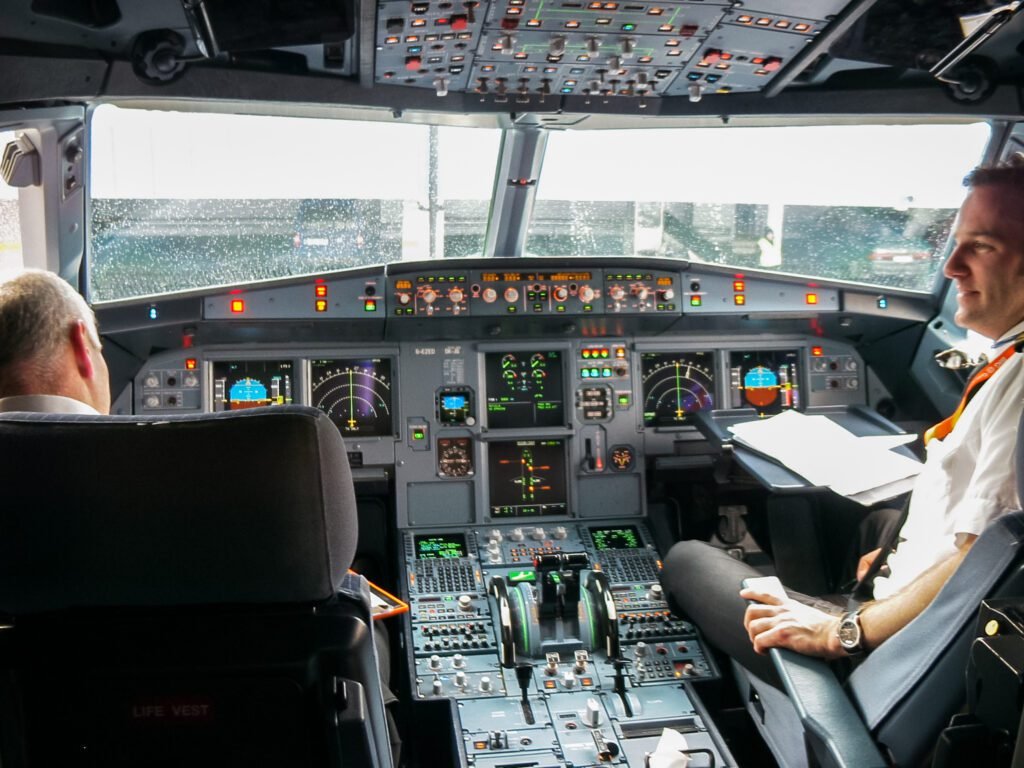
This debate isn’t new, but it has gained urgency in recent years. The post-COVID global pilot shortage has forced the industry to reconsider long-standing practices. Some regional airlines and turboprop operators have already embraced single-pilot operations, further fueling this controversy.
Opinions are sharply divided. Supporters and critics alike present strong arguments, making it clear that this is more than just a cost-cutting measure—it's a question of safety, efficiency, and the future of aviation itself.
Why Two Pilots Might Be Non-Negotiable
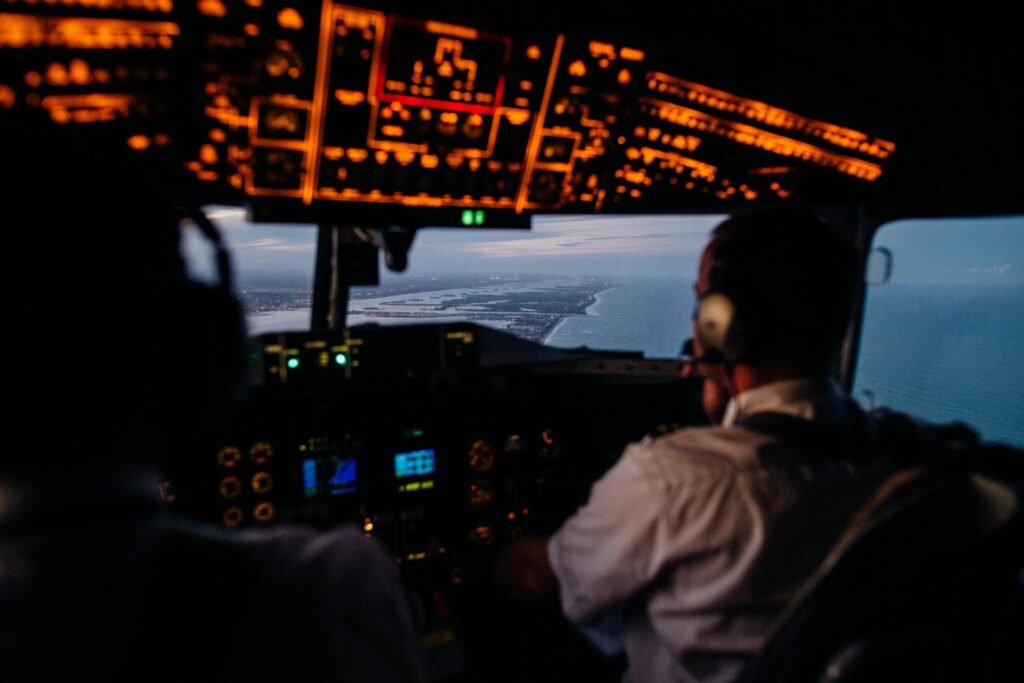
Safety remains the strongest argument for keeping two pilots in the cockpit. A second pilot provides redundancy: if one is incapacitated—whether due to health or stress—the other can step in and ensure the aircraft’s safe operation. But there’s more to it:
- Experience Diversity: Two pilots bring varied perspectives and skills to problem-solving.
- Decision-Making Power: Having a second brain in the cockpit boosts the ability to handle critical situations.
- Mental Load Sharing: A single pilot managing all tasks can quickly become overwhelmed, raising safety concerns.
Organizations like the Air Line Pilots Association International (ALPA) are vocal in their defense of dual-pilot operations. ALPA has stated:
"Commercial aviation is the world’s safest mode of transportation, and history shows that having at least two fully qualified, highly trained, and well-rested pilots on the flight deck is an airliner’s strongest safety asset. Airliners are designed for more than one pilot on the flight deck because safety and operations require it."
Studies from NASA and the FAA back this up, highlighting the risks of single-pilot operations. While the research isn’t definitive, it points to the critical role of dual-pilot setups in modern, heavily automated cockpits.
How We Got to Two Pilots
This isn’t the first time cockpit staffing levels have changed. In 1982, the Airbus A310 became the first passenger aircraft designed for just two pilots, eliminating the role of the flight engineer. Before this, most airliners required a minimum of three crew members, with some older models even needing a navigator.
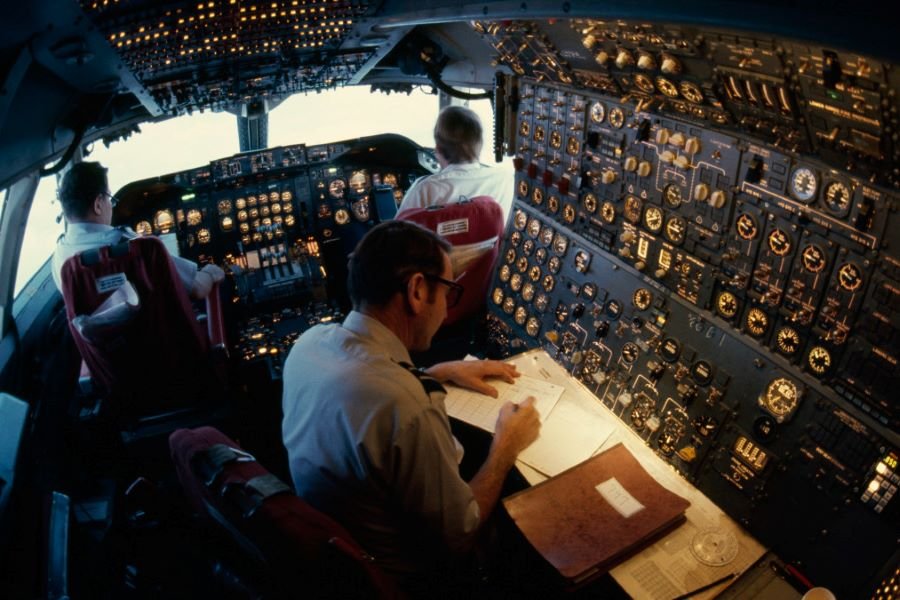
At the time, safety advocates criticized this move, predicting dire consequences. But those fears turned out to be unfounded. Over the years, airlines embraced the two-pilot model, slashing costs without sacrificing safety. According to The Global Commercial Aviation Industry (2016), this transition was a resounding success, marking a pivotal moment in aviation history.
Today, two-pilot cockpits are the standard, and air travel is statistically safer than ever before. But does this mean we’re ready for the next big leap—to just one pilot?
The Challenges of a Solo Pilot
Moving from two pilots to one is a far bigger leap than the shift from three to two. A single pilot would have to juggle every task: operating the aircraft, handling communications with passengers and air traffic control, and managing unforeseen emergencies. It’s a workload that could overwhelm even the most experienced professionals.
Critics worry that such a setup would be too much for one person to handle effectively. The risk of fatigue and errors looms large, making this transition far more complicated than its predecessor.
Where Do We Go From Here?
The future of cockpit staffing remains uncertain. While automation and technology continue to evolve, the human element in aviation cannot be ignored. The debate over whether to keep two pilots in the cockpit is about more than just cost—it’s about finding the delicate balance between safety, efficiency, and trust.
So, where do you stand in this discussion? Is it the time for single-pilot operations? Share with us your thoughts in the comments section below.
- Featured image by Rafael Cosquiere