
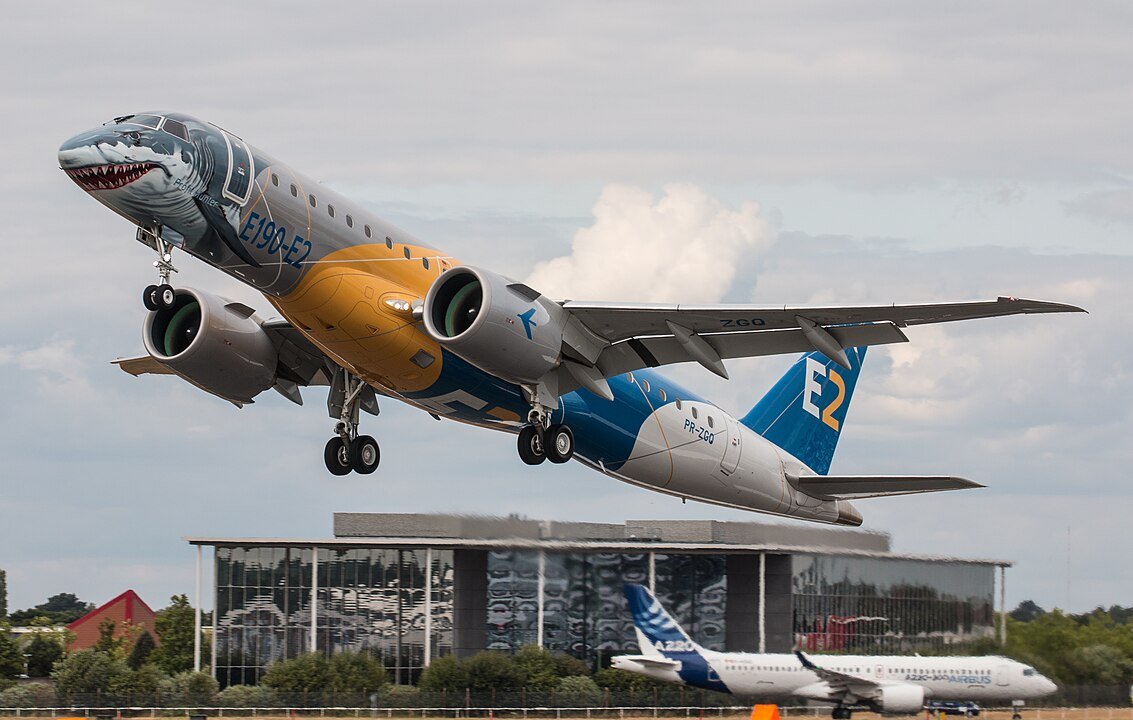
Embraer has announced development of an automatic takeoff system for its E2 passenger jets, promising a significant enhancement in range capabilities. This innovation is expected to extend the range of these aircraft by approximately 350 nautical miles when departing from shorter runways.
A Milestone in Aviation Automation
Automation in aviation has progressively evolved, aiming to improve passenger comfort, reduce crew workload, and enhance safety. While automatic landing systems have been in use since the 1960s, takeoff has traditionally been managed manually by pilots. Airbus' Autonomous Taxi Take-Off & Landing (ATTOL) project, which concluded in 2020, demonstrated autonomous takeoff but has yet to be implemented in commercial service.
Embraer plans to roll out its automatic takeoff system by the end of next year, marking a significant milestone as the first manufacturer to introduce this capability. The technology, under development for three years, is nearing readiness for operational use.
Understanding the E2 Enhanced Takeoff System (E2TS)
via X
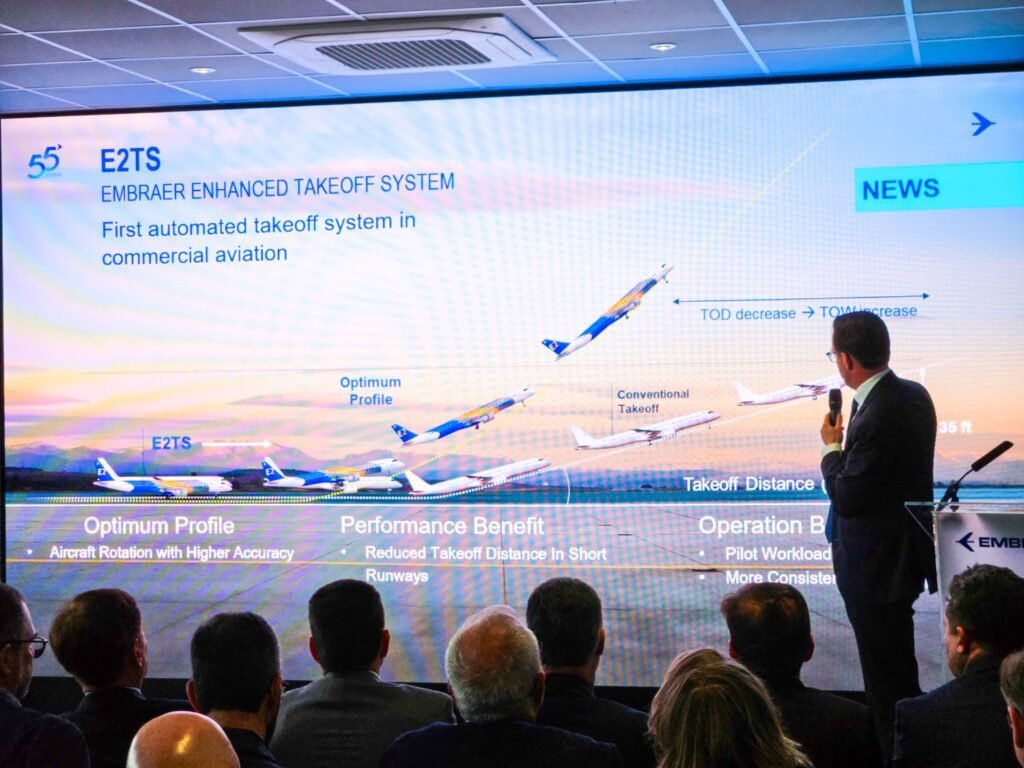
The Embraer Enhanced Takeoff System (E2TS) is designed to optimize aircraft rotation during takeoff, preventing tail strikes and ensuring more efficient and precise ascent trajectories. This system reduces the required runway length and pilot workload while significantly increasing the E2’s range from airports with challenging runway lengths. For instance, from London City Airport (LCY), the E2 could see a range extension of 350 nautical miles.
E2TS is implemented through a patented software upgrade to the existing flight control system, requiring no physical modifications to the aircraft. Pilots engage the system by selecting the auto takeoff mode, setting the autothrottle, and activating the autopilot. The system autonomously manages the aircraft's rotation, although pilots maintain control over heading and power settings.
Enhancements to E2’s GTF Engines
Accompanying the E2TS development is an upgrade to the E2’s Geared Turbofan (GTF) engines. These enhancements include newly optimized climb thrust, which reduces engine strain and extends engine life. Embraer projects that these improvements will enhance time on wing by up to 10%, potentially saving operators around half a million dollars per aircraft over a 15-year operational period.
What do you think about this system? Tell us your thoughts in the comments below.
Featured image by Steve Lynes