
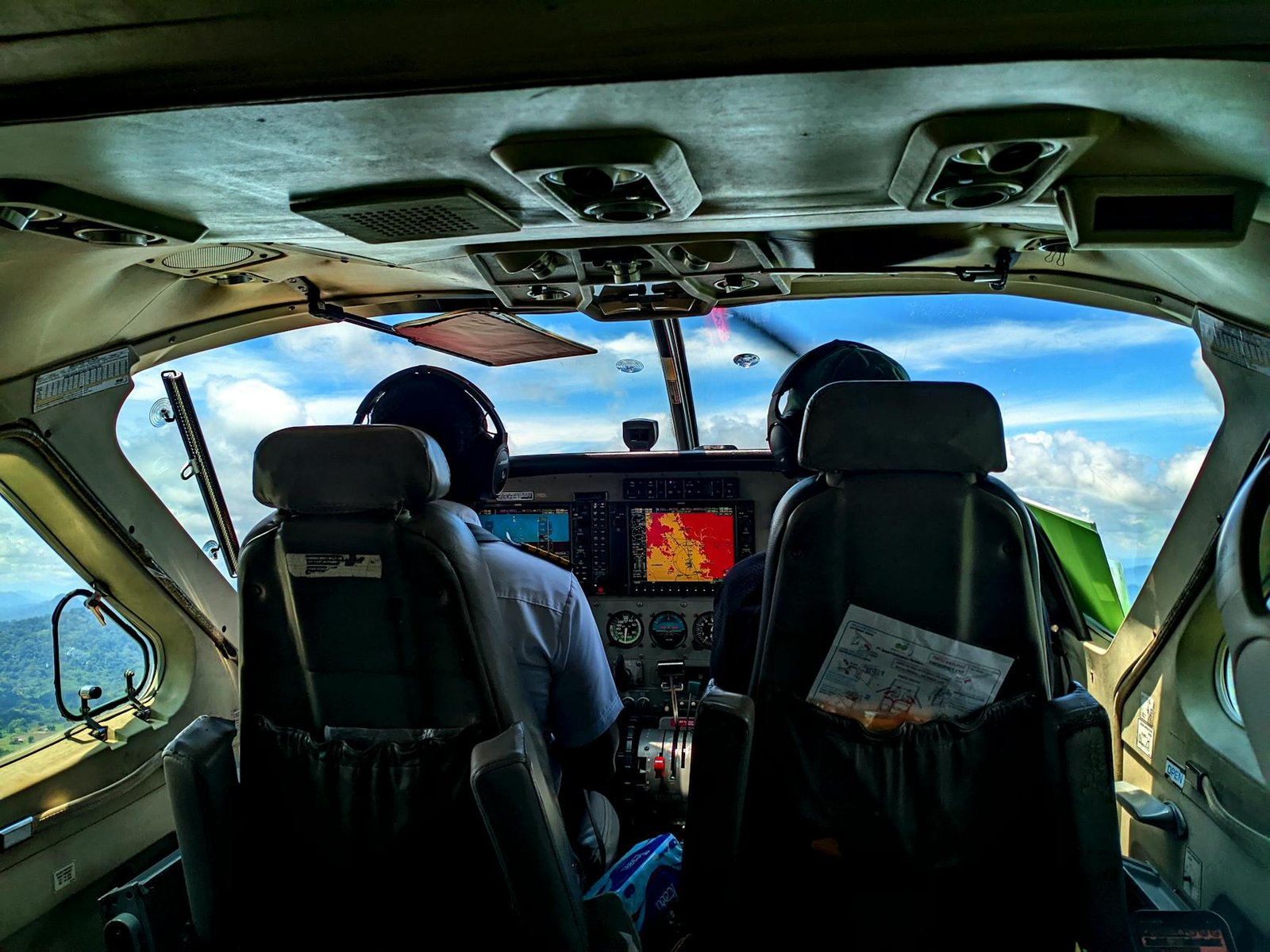
Aviation has always moved quickly when it comes to technology. Glass cockpits, satellite navigation, and advanced automation are now standard across much of the industry. Yet the way aviation is taught often tells a different story. Many training programs still rely on rigid schedules, in-person lectures, notebooks and whiteboards, and teaching models that were designed long before modern avionics became the norm.
Archived image unavailable.
Source: community.infiniteflight.com
That approach worked when access to information was limited. Today, it creates unnecessary barriers. Course material is slow to update, students face high costs and geographic limitations, and learning often becomes more about memorizing for exams than understanding how aviation actually works in practice.
As aircraft and operations grow more complex, this gap between education and reality matters more than ever.
The Move Toward Online Aviation Learning
Online classrooms are helping modernize aviation education by making learning more flexible and accessible. Students can study theory and systems knowledge at their own pace, revisit challenging topics, and engage with material that reflects current aircraft, procedures, and technology. Access is no longer tied to a specific location, opening aviation education to a wider audience.
Still, aviation is not something learned in isolation. Real understanding comes from discussion, questions, and shared experience — something early online learning often lacked.
Waypoint One: Community-Based Aviation Learning
This is where Waypoint One stands out. Developed as a collaborative learning community, Waypoint One is accessible for free, giving aspiring aviators an easy entry point into structured aviation learning. Members can join live video call lessons, participate in discussions, and learn directly alongside others on the same path.
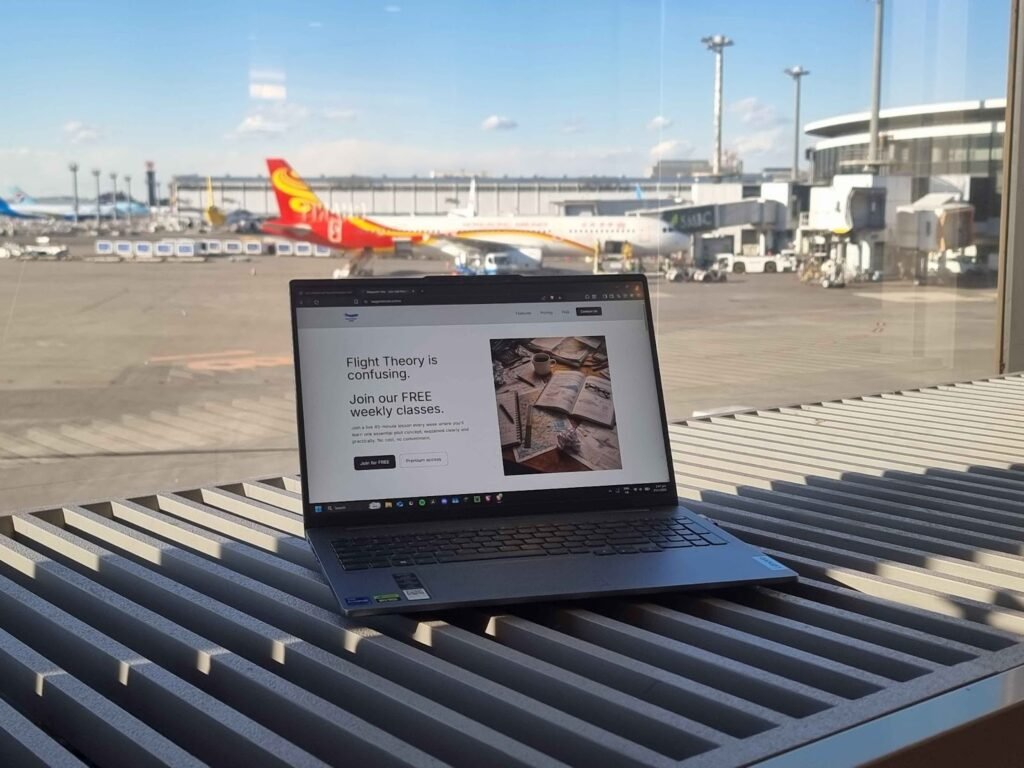
As for the classes, Waypoint One focuses primarily on PPL through mid-CPL level training, helping students build strong foundations in theory, procedures, and systems understanding. In addition, it supports learning for flight simulation, whether as a serious training aid or simply for enjoyment — recognizing that simulators can be a powerful tool for both education and enthusiasm.
By combining online access with real-time interaction, Waypoint One mirrors how aviation is actually learned: through conversation, shared problem-solving, and continuous refinement of understanding.
You can visit their website for more details: www.waypointone.online
A More Realistic Way Forward
The future of aviation education isn’t about choosing between online or in-person training. It’s about blending them effectively. Online classrooms and communities like Waypoint One handle theory and conceptual learning efficiently, while aircraft and simulator time focus on hands-on skill development.
As aviation continues to evolve, education must evolve with it. By embracing accessible, community-driven online learning, the industry can finally close a long-standing gap — and better prepare both real-world pilots and simulation enthusiasts for modern aviation.